Reviewing the Hand Love Shape Machine Design for Real Projects
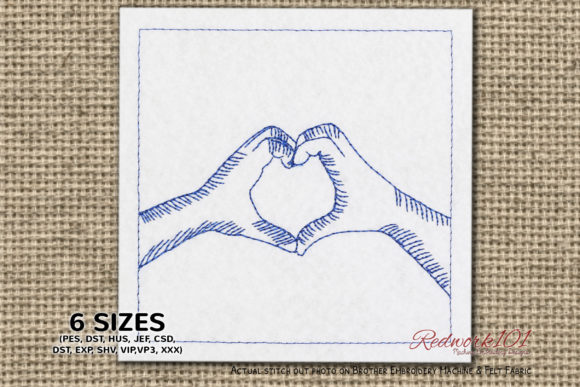
As a designer who spends more time staring at stitch maps than finished garments, I have learned that not every cute graphic translates well to thread. When I first loaded the Hand Love Shape Machine design into my software, my initial reaction was one of cautious optimism. The concept is simple yet powerful: two hands forming a heart shape. It is a universal symbol of care, connection, and affection. However, simplicity in graphics often hides complexity in embroidery. The real question is not just whether it looks good on screen, but how it holds up under the needle when you are trying to run a efficient production batch for your small shop.
First Impressions and Visual Personality
The mood of this design is inherently warm and inviting. It lacks the aggressive sharpness of some modern geometric logos, opting instead for a softer, more organic feel. This visual personality makes it a natural fit for projects that require an emotional touch. When evaluating the layout, I noticed that the design relies heavily on the silhouette of the hands. For an embroidery project, this means the outline definition is critical. If the stitches are too sparse, the fingers might blend together, losing the recognizable "heart" shape. If they are too dense, the fabric could pucker, especially on lighter materials.
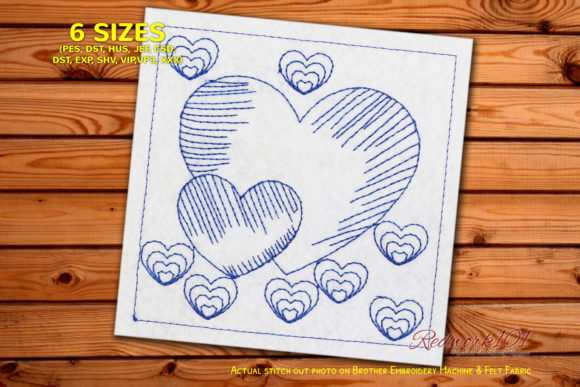
One specific detail mentioned in the product notes is that the Box Stitch shown in promotional pictures is optional. This is a crucial distinction for us as practitioners. The outer box color varies or can be skipped entirely. From a design perspective, I prefer skipping the box unless it serves a structural purpose. Removing the box allows the hand shape to breathe and integrates more seamlessly into custom apparel like sweatshirts or tote bags, where a rigid border can look out of place.
Real-World Application: The Tote Bag Test
To truly evaluate the Hand Love Shape Machine design, I imagined a common scenario for many Etsy sellers: preparing a custom embroidered tote bag for a Valentine S Day promotion. Tote bags are typically made from canvas or heavy cotton, which provides a stable base for embroidery. In this context, the design performs admirably. The bold lines of the hands stand out clearly against the textured fabric.
I visualized stitching this onto a natural beige canvas using a deep red or burgundy thread. The contrast is high, ensuring the design is readable from a distance. For a handmade product intended as a personalized gift, this clarity is essential. Customers need to recognize the motif instantly. If I were using this for a boutique branding effort, I might opt for a monochromatic look, stitching the hands in the same color as the bag but using a different sheen, such as rayon versus polyester, to create subtle depth. This approach elevates the perceived value of the finished product without overwhelming the minimalist aesthetic.
Versatility Across Product Lines
Beyond tote bags, this design shows promise in several other categories. For baby embroidery, such as on a onesie or a nursery blanket, the soft curves of the hands are appropriate. However, here we must be mindful of scale. A design that looks perfect on a adult sweatshirt might be too large and stiff for a infant garment. I would recommend scaling it down significantly and ensuring the stitch density is reduced to keep the fabric soft against sensitive skin.
For caps and hats, the curved surface presents a challenge. The hand shape has width, so placing it on the front panel of a structured cap requires careful centering. If the design is too wide, it will wrap around the curve and distort. In this case, checking the hoop size compatibility is vital. If the design exceeds the standard cap frame dimensions, it may need to be resized or split, though splitting a continuous shape like this is generally not advisable. For aprons and kitchen towels, the design works well as a central focal point or as a smaller accent near the hem.
Technical Considerations and Stitch Quality
When we talk about machine embroidery design performance, we must discuss the technical execution. The Hand Love Shape Machine likely utilizes a combination of satin stitch for the outlines and fill stitch for any interior details, depending on the specific file version you purchase. Satin stitches provide a smooth, shiny finish that catches the light beautifully, enhancing the visual appeal. However, long satin runs can be prone to snagging if not properly tacked down.
Stitch density is another factor I scrutinize. High density creates a rich, plush look but adds weight and stiffness. For a digital embroidery file intended for commercial embroidery on stretchy fabrics like t-shirts, lower density is preferable. It allows the garment to retain its drape and comfort. If you are working with dark fabric, you must ensure the underlay stitches are sufficient to prevent the background color from showing through the top threads. This is where testing on scrap fabric becomes non-negotiable. Do not skip this step.
The note about the optional box stitch also implies flexibility in thread colors. You can skip the color change for the box, which saves time and reduces thread breaks. Fewer color changes mean faster production times, which is a significant advantage for small business owners managing tight deadlines during holiday rushes. This efficiency directly impacts your profit margin.
Navigating Potential Pitfalls
While the design is versatile, there are areas where caution is required. Textured fabrics, such as fluffy towels or corduroy, can obscure fine details. If the fingers of the hands are thin, they might get lost in the pile of the fabric. In such cases, using a cutaway stabilizer is essential to provide support, and you might need to increase the stitch count slightly to ensure visibility. Conversely, on thin or sheer fabrics, the design could pull and distort the material. Here, a lightweight tearaway stabilizer and careful tension adjustments are key.
Another consideration is washing durability. Products like kitchen towels and baby clothes undergo frequent laundering. A well-digitized design should hold up without excessive fraying. I advise inspecting the small details of the design after the first wash. If the edges begin to unravel, the satin stitch width may be too narrow, or the stabilization was insufficient. This feedback loop is part of maintaining customer trust and professionalism in your craft business.
Enhancing Brand Consistency and Value
Using a consistent design element like the Hand Love Shape Machine can help build brand recognition. If you specialize in heartfelt, handmade items, this motif reinforces your brand story. It signals to buyers that your products are made with care. When creating printable mockups for your online store, ensure the digital representation matches the stitched reality. Misleading images can lead to returns and negative reviews. Transparency about the look and feel of the embroidery builds long-term buyer engagement.
For those selling design assets or digital products, understanding the licensing terms is critical. Before including this embroidery file in a bundle or selling finished items commercially, confirm the license allows for such use. Most designers offer different tiers for personal and commercial use. Respecting intellectual property rights is fundamental to a sustainable creative career.
Final Verdict for the Practical Designer
In conclusion, the Hand Love Shape Machine design is a solid addition to your library, particularly for Valentine S Day collections, wedding gifts, and everyday items that benefit from a touch of warmth. Its strength lies in its simplicity and emotional resonance. However, its success depends on your technical execution. Pay attention to hoop size, stabilizer choice, and thread contrast. Test it on various fabric textures to understand its limits. By treating this digital embroidery file with the respect it deserves, you can create high-quality, professional-looking products that resonate with your customers. Whether you are an experienced apparel decorator or a hobbyist making gifts for friends, this design offers a reliable canvas for your creativity, provided you approach it with a practical, detail-oriented mindset.