Reviewing the I Love You Heart Frame Lineart Design
As a designer who spends more time staring at stitch simulations than I do sleeping, I have learned to look past the glossy preview images. When I first pulled up the I Love You Heart Frame Lineart file, my immediate reaction was one of cautious optimism. In a market saturated with overly complex, dense Valentine’s Day motifs, this design offers a refreshing breath of minimalism. It is not just about aesthetics; it is about functionality. For those of us running small embroidery businesses or crafting personalized gifts, the difference between a design that looks good on screen and one that stitches out cleanly on fabric is the difference between a refund request and a five-star review.
First Impressions: Simplicity Meets Sentiment
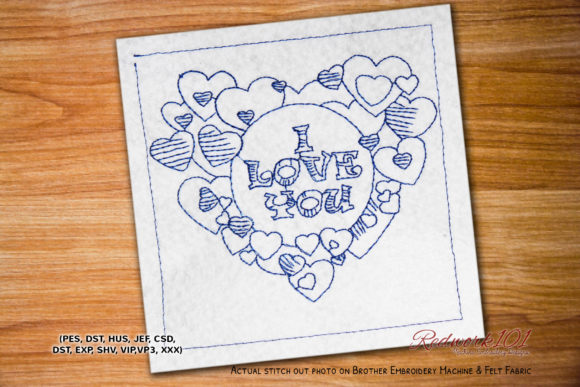
The visual personality of this machine embroidery design is rooted in clarity. The lineart style suggests a modern, perhaps even Scandinavian, approach to holiday embroidery. It does not scream for attention with heavy fill stitches or complicated shading. Instead, it relies on the integrity of its lines and the negative space within the heart frame. This is crucial for contemporary buyers who often prefer subtle, wearable art over loud, costume-like graphics. The mood it creates is intimate and sincere, making it an ideal candidate for a personalized gift rather than a mass-produced novelty item.
When evaluating the layout, I noticed the balance between the text and the graphical heart element. The "I Love You" typography appears integrated into the frame, which reduces the risk of misalignment during hooping. However, the simplicity of line work demands precision. There is nowhere for poor tension or unstable fabric to hide. This design respects the viewer’s intelligence, assuming that the craftsmanship of the stitching will speak for itself.
Real-World Application: From Mockup to Merchandise
To truly test the viability of any embroidery file, I mentally place it on various substrates. I recently considered a project for a client wanting custom tote bag designs for a boutique spring collection. The I Love You Heart Frame Lineart fit perfectly here. On a natural canvas tote, the clean lines would stand out beautifully against the textured weave, provided the right stabilizer was used. The open nature of the design means it won’t weigh down the fabric, preserving the drape and utility of the bag.
Another strong contender for this design is sweatshirt embroidery. Crewnecks and hoodies have become staples in the craft business world. Because this design utilizes line work rather than dense satin or fill stitches, it avoids the common pitfall of creating a stiff, cardboard-like patch on soft fleece. It allows the garment to remain comfortable and flexible. For an Etsy seller, this versatility is a major selling point. You can market the same digital asset for baby onesies, adult apparel, and home decor without needing to drastically alter the scale.
I also see potential in holiday embroidery projects beyond just February. While clearly themed for Valentine’s Day, the universal message of love makes it suitable for anniversaries, wedding gifts, or even Galentine’s Day celebrations. This extends the commercial life of the design, allowing makers to keep it in their shop year-round rather than relegating it to a seasonal clearance bin.
Navigating Technical Challenges and Fabric Choices
While the design is elegant, it is not without its technical demands. Lineart designs are notoriously sensitive to fabric texture. If you are stitching on a rough linen or a loosely woven towel, the thin lines may get lost or appear jagged. In these cases, I strongly advise using a cut-away stabilizer to provide a firm foundation. For stretchy fabrics like jersey knits used in custom apparel, a hoop-and-stick method might be necessary to prevent distortion, especially if the design is placed on a curved area like a chest pocket.
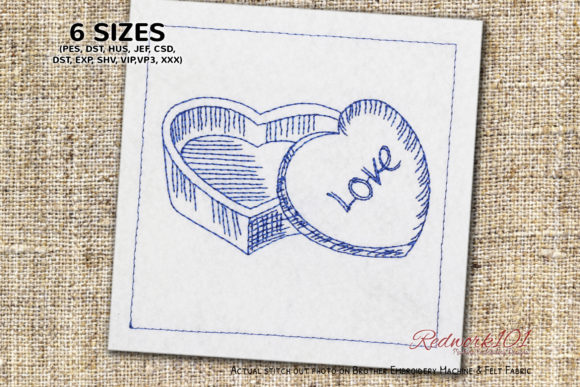
One specific note from the product description mentions that the box stitch shown in preview pictures is optional. This is a critical detail for production efficiency. If you are creating an embroidered patch or working on a dark fabric where a border helps define the edges, keeping the box stitch might be beneficial. However, for a clean, modern look on a light-colored tea towel or pillow cover, skipping the outer box allows the heart frame to breathe. Always check your machine’s capabilities regarding jump stitches if you decide to omit the border, ensuring the transition between elements remains tidy.
Caution is also needed with very small hoop sizes. If you shrink this design too much to fit a 4x4 hoop, the legibility of the "I Love You" text could suffer. Tiny lettering in lineart format can easily turn into a blob of thread if the stitch density is not optimized for the scale. I recommend testing the design at 100% size first, then gradually reducing it while inspecting the stitch preview for clarity. Never assume a design scales infinitely without losing detail.
Enhancing Brand Value and Customer Trust
For small shop products, consistency is key. Using a cohesive design language helps build brand recognition. The I Love You Heart Frame Lineart fits well into a minimalist brand aesthetic. When customers receive a product with clean, professional stitching, it reinforces their trust in your craftsmanship. Sloppy, dense designs can look amateurish if the machine tension is slightly off, but clean line work forgives minor imperfections better, provided the paths are smooth.
From a marketing perspective, this design photographs well. High-contrast printable mockups featuring this design on white or pastel backgrounds can drive engagement on social media. It appeals to the modern consumer who values understated elegance. By offering this as part of a curated collection of design assets, you elevate the perceived value of your finished product. It signals that you care about the details, from the choice of thread colors to the final press of the garment.
Practical Designer Notes for Best Results
Before you commit to a large batch of commercial embroidery orders, take the time to run a proper test. Here is my checklist for ensuring success with this specific file:
- Test on Scrap Fabric: Always stitch a sample on the exact fabric type you intend to sell. Thread behavior changes dramatically between cotton, polyester, and blends.
- Check Thread Contrast: Since this is a lineart design, the contrast between the thread and the fabric is vital. A monochromatic look (white on white) can be chic but requires perfect lighting to be appreciated. High contrast ensures readability.
- Review Stitch Density: If your machine allows, inspect the stitch count. If the density seems too high for the line weight, consider adjusting the pull compensation to prevent puckering.
- Confirm Hoop Size: Ensure the design fits comfortably within your hoop with adequate margin for clamping. Do not crowd the edges.
- Inspect Small Details: Zoom in on the corners of the heart and the ends of the letters. Look for potential thread breaks or unnecessary jumps that could be trimmed.
- Licensing Verification: Always confirm the license terms. Whether you are selling the physical handmade product or the digital embroidery file itself, knowing your rights prevents legal issues down the line.
In conclusion, the I Love You Heart Frame Lineart is a solid addition to any designer’s library. It balances emotional resonance with technical practicality. It respects the material it is stitched on and the person wearing it. For the discerning maker, it offers a reliable, versatile option for creating meaningful, high-quality goods that stand out in a crowded marketplace.