Reviewing All Hearts Redwork Design for Real Projects
As a designer who has spent countless hours digitizing and stitching out thousands of patterns, I approach every new machine embroidery design with a mix of curiosity and skepticism. We have all been there: you download a file that looks perfect on the screen, only to find it puckers the fabric or loses its charm once the needle hits the cloth. Today, I am taking a close look at the All Hearts Redwork Design. This is not just about aesthetics; it is about how this pattern performs in the real world of craft businesses, custom orders, and handmade goods.
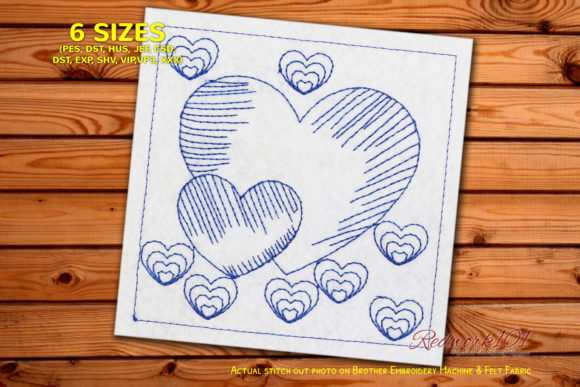
My first impression of the All Hearts Redwork Design is one of understated elegance. In an era where dense, colorful fills often dominate the market, redwork offers a refreshing return to simplicity. The design relies on clean lines and negative space, creating a mood that is both nostalgic and modern. It feels organic, lacking the rigid, computer-generated stiffness that plagues so many digital files. For a Valentine S Day project, this is a welcome change from the overly saturated, cartoonish hearts we see everywhere. It suggests warmth and tradition rather than commercial hype.
Visual Appeal and Stitching Clarity
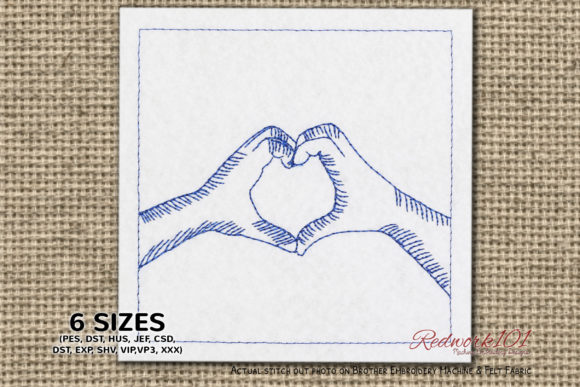
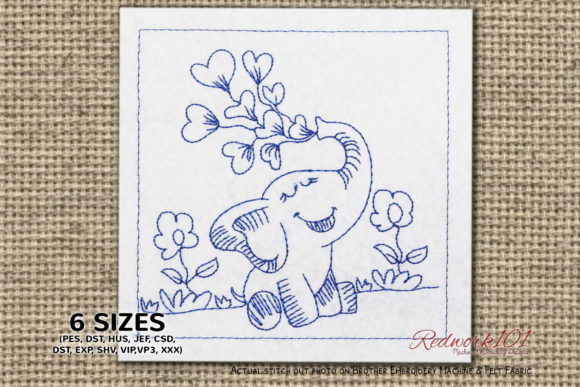
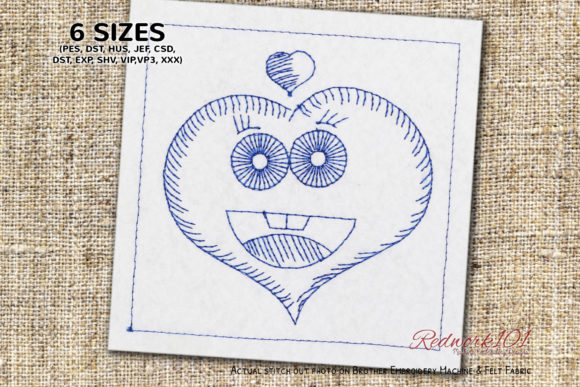
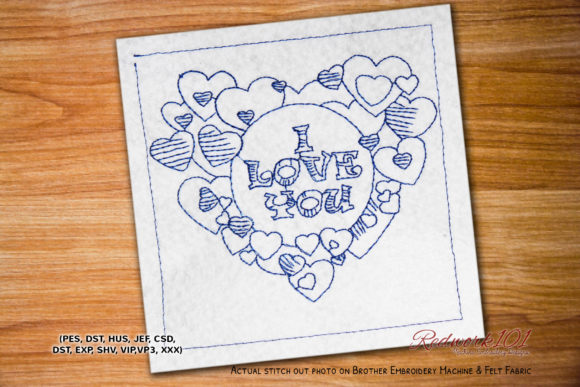
The core strength of this design lies in its clarity. Redwork, by definition, typically uses a single thread color—traditionally red—on a light background. This simplicity means every stitch must count. When I examined the All Hearts Redwork Design, I noticed the balance between the outer shapes and the internal detailing. The lines are distinct, which is crucial for maintaining visual appeal. If the stitches are too dense, the fabric will pucker; if they are too sparse, the design will look unfinished. This pattern seems to strike a healthy middle ground, utilizing what appears to be a consistent running stitch or a light satin stitch for emphasis, depending on the specific variation you choose.
For an Etsy seller or small shop owner, this clarity is a major asset. Customers appreciate designs that look crisp and professional. A muddy, over-stitched heart can look cheap, but a clean, well-defined outline exudes quality. This design lends itself beautifully to printable mockup creation because its simple geometry translates well into digital previews, helping you sell the finished product before you even stitch a single thread.
Real-World Application: The Tote Bag Test
To truly evaluate an embroidery file, you have to imagine it on actual products. I recently considered this design for a line of canvas tote bags. Canvas is a textured, heavy fabric that can be tricky for detailed work. However, the bold lines of the All Hearts Redwork Design hold up remarkably well against the weave of the cotton. I envisioned a natural, unbleached canvas bag with the heart stitched in a deep crimson thread. The contrast was striking.
Beyond tote bags, this design is versatile enough for custom apparel. Imagine it on the cuff of a white linen shirt or as a small accent on the chest of a denim jacket. Because it is not overly large or dense, it does not weigh down lightweight fabrics. This makes it an excellent candidate for baby embroidery projects, such as bibs or onesies, where comfort and breathability are paramount. Parents love personalized, subtle details, and this heart motif fits that brief perfectly without being overwhelming.
Navigating Fabric and Hoop Constraints
While the design is robust, it is not without its limitations. As with any embroidery project, context is key. I would advise caution when using this on highly stretchy fabrics like jersey knits unless you are experienced with stabilization. The open nature of redwork means there is less structural support from the stitching itself, so the fabric can distort if not properly hooped. Always use a high-quality cut-away or tear-away stabilizer depending on the garment's end use.
Another consideration is the hoop size. While the design is scalable, shrinking it too much for a tiny embroidered patch or a cap front might cause the lines to merge. Redwork relies on the space between stitches. If you reduce the size beyond the recommended limits, you lose that breathing room, and the heart becomes a solid blob of thread. Always check the minimum hoop size specifications provided with your digital embroidery file before resizing.
Dark fabrics present another challenge. Traditional redwork is designed for light backgrounds. If you want to stitch this on a navy sweatshirt or black apron, you will need to test your thread colors carefully. A standard red may disappear. You might need to opt for a brighter scarlet or even experiment with a contrasting color like gold or white to maintain visibility. The description notes that the outer box stitch is optional and may appear in different colors; this flexibility is useful for adapting to various thread colors and fabric types.
Commercial Viability and Brand Consistency
For those running a craft business, consistency is vital. The All Hearts Redwork Design offers a timeless look that does not scream "trend." This is advantageous for building a brand identity that lasts beyond a single season. While it is perfect for holiday embroidery surrounding February, its classic style allows it to be marketed year-round as a symbol of love and care. This extends its shelf life in your small shop product lineup.
When selling personalized gift items, such as wedding handkerchiefs or anniversary pillows, the simplicity of this design allows it to pair well with monograms or dates. It acts as a supportive element rather than competing for attention. This versatility increases its value as a design asset in your library. You are not just buying a heart; you are buying a component that can elevate multiple product lines, from kitchen towels to nursery decor.
Practical Designer Notes for Best Results
Before you commit to production, here are my top recommendations for getting the best out of this file:
- Test on Scrap Fabric: Never stitch directly on your final garment. Use a scrap piece of the same material to check tension and registration.
- Check Stitch Density: Ensure the density matches your fabric weight. Heavy denim can handle more tension than fine silk.
- Contrast is Key: Verify that your thread color stands out against the fabric. Use a black-and-white mockup to judge value contrast if you are unsure.
- Review Licensing: If you plan to sell finished items, confirm the license terms of your commercial embroidery file. Some designers allow unlimited sales, while others have caps.
- Optional Elements: The description mentions an optional box stitch. Decide early if you want this frame. It can add structure but may complicate placement on curved surfaces like caps.
In conclusion, the All Hearts Redwork Design is a solid, reliable choice for designers who value cleanliness and tradition. It avoids the pitfalls of over-complication and delivers a professional look with minimal fuss. Whether you are creating a sweatshirt embroidery piece for a boutique or a simple tote bag design for a local market, this pattern holds its own. It respects the medium of embroidery, allowing the texture of the thread and the fabric to shine through. For any maker looking to add a touch of heartfelt simplicity to their catalog, this design is worth the hoop time.