Reviewing Pine Tree Lineart for Craft Fairs
As an embroidery designer who has spent countless weekends behind a booth table, I know that not every design translates well from screen to sales. When I first loaded the Pine Tree Lineart Design into my digitizing software, I was looking for more than just aesthetic appeal. I was looking for a workhorse. I needed a machine embroidery design that could carry a product line through the busy holiday season and the rustic charm of spring markets alike. This review is written for fellow Etsy sellers, boutique makers, and creative entrepreneurs who need to know if this specific asset belongs in their commercial library.
First Impressions: Minimalism Meets Rustic Charm
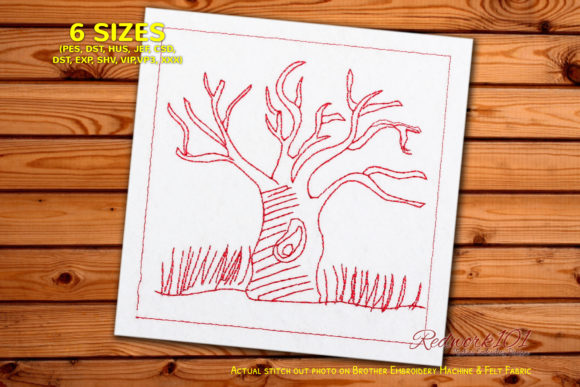
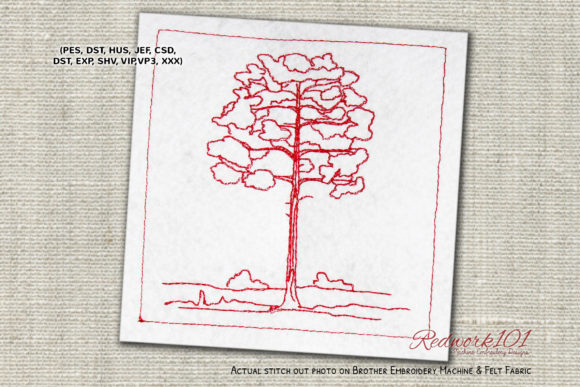
The immediate vibe of the Pine Tree Lineart Design is understated elegance. It does not scream for attention with loud colors or complex shading. Instead, it relies on clean lines and negative space. In the context of the Forest category, this design feels modern rather than traditional. It avoids the cluttered look of older woodland motifs, offering a silhouette that feels at home on contemporary home goods. For a craft fair seller, this is crucial. Customers walking past a booth are often overwhelmed by visual noise. A design that offers a moment of visual rest can actually stop traffic. The line art style suggests a premium, handmade quality that appeals to buyers looking for subtle decor rather than novelty items.
Versatility Across Product Lines
The true test of any embroidery file is its adaptability. I evaluated how this pine tree motif performs across various common craft fair products. Here is where it shines:
- Tote Bags and Market Bags: This is arguably the strongest application. A single pine tree centered on a canvas tote creates a balanced, chic look. It works exceptionally well as a tote bag design because the linear nature of the artwork does not add excessive weight or stiffness to the fabric.
- Aprons and Tea Towels: For kitchen textiles, simplicity is key. The apron embroidery potential here is high, particularly if placed on the bib or lower corner. Similarly, tea towel embroidery benefits from open designs that do not compromise the absorbency or drape of the linen. The line art ensures the towel remains soft and functional.
- Embroidered Patches: If you offer add-on items, this design makes for a fantastic embroidered patch. It can be stitched on felt or twill and sold as an iron-on accessory for jackets and backpacks, appealing to a younger demographic at your booth.
- Caps and Headwear: While possible, curved surfaces require caution. The design must be scaled down significantly to fit the front panel of a cap without distorting. It works best as a small, minimalist accent rather than a large focal point.
Production Practicality and Batch Efficiency
From a business owner’s perspective, time is money. One of the most appealing aspects of the Pine Tree Lineart Design is its potential for speed. Because it is line-based, it likely features lower stitch density compared to filled satin stitch designs. This means less thread consumption and faster run times. For a small shop product line, this efficiency allows for higher profit margins. Furthermore, the design is highly repeatable. Whether you are stitching ten tote bags for a weekend market or fifty pillow covers for an online launch, the consistency of line art is easier to maintain than complex gradients.
Photography is another major selling point. Linear designs photograph beautifully for Etsy listings and social media. They do not suffer from the glare that heavy satin stitches sometimes reflect under studio lights. This makes creating a printable mockup or digital preview much easier, allowing you to showcase the finished product clearly to online customers.
Critical Considerations for Execution
While the design is strong, there are technical nuances to consider before you start hooping. The product description notes that "The Box Stitch shown in the picture is optional." This is a vital detail. If the outer box is included, ensure it complements the tree rather than boxing it in too tightly. In many cases, skipping the box color or the box entirely creates a cleaner, more organic look that fits the Forest theme better. Always check if the box is part of the core design assets or merely a display guide.
You must also pay attention to fabric texture. On thick, textured towels, fine lines can get lost. If you are stitching on terry cloth or heavy linen, consider using a slightly heavier thread weight or increasing the scale of the design to maintain clarity. Conversely, on smooth cottons or polyesters, the lines will appear crisp and defined. Dark fabrics present another challenge. If you are stitching white or light green thread on navy or black fabric, ensure your stabilizer is cut-away and robust enough to prevent puckering, which can distort delicate lines.
Stabilizer and Hoop Selection
Choosing the right stabilizer is non-negotiable for line art. Since there are fewer stitches to anchor the fabric, the stabilizer does the heavy lifting. For woven fabrics like tote bags and aprons, a medium-weight cut-away stabilizer is ideal. For knits or stretchy materials, consider a fusible backing to prevent shifting. Regarding hoop size, this design is versatile. It can be scaled down for a 4x4 hoop on a pouch or scaled up for a 5x7 or larger hoop on a pillow cover. However, always verify the maximum dimensions in your specific digital embroidery file to avoid pixelation or distortion during resizing.
Enhancing Brand Consistency and Visual Appeal
Incorporating the Pine Tree Lineart Design into your lineup helps build a cohesive brand identity. If your shop focuses on nature-inspired, rustic, or minimalist goods, this design acts as a visual anchor. It signals to customers that your brand values simplicity and quality. At a craft fair, this consistency helps buyers recognize your booth from a distance. A table display featuring multiple items—towels, bags, and patches—all featuring the same recognizable pine motif creates a powerful visual impact. It turns individual items into a collection, encouraging customers to buy more than one product.
Customer engagement increases when the design invites touch. Unlike dense, raised embroidery that can feel stiff, line art often retains the natural hand of the fabric. Buyers are more likely to pick up and examine a soft, lightly stitched tote bag than a rigid, heavily embroidered one. This tactile experience is a key driver in converting browsers into buyers at handmade markets.
Final Designer Notes and Recommendations
Before committing to full production, I strongly advise running a test stitch on scrap fabric. Check the tension and ensure the lines connect smoothly without jumps or loose threads. Verify the thread colors you plan to use; earthy greens, deep browns, or even stark black and white can completely change the mood of the piece. Ensure you have the correct commercial licensing for the digital embroidery file if you plan to sell the commercial embroidery products. If the license terms are not explicitly stated in the download, contact the creator immediately.
Create at least one real-world mockup. Photograph the design on the actual fabric you intend to sell. Compare how it looks on natural cotton versus synthetic blends. These small steps ensure that when you unveil your new handmade product line, it meets the high standards your customers expect. The Pine Tree Lineart Design has the potential to be a staple in your catalog, offering a blend of aesthetic charm and production efficiency that is rare to find. With careful attention to detail and fabric choice, it can elevate your brand and drive sales at your next event.