Reviewing Papaya Tree Lineart for Embroidery
As an embroidery designer who spends countless hours digitizing and testing designs, I am always on the lookout for assets that balance aesthetic appeal with technical practicality. Recently, I came across Papaya Tree Lineart on Creative Fabrica, and it immediately caught my eye. In the world of Food-themed Embroidery, finding a design that feels organic yet clean is often a challenge. Many tropical motifs lean too heavily into cartoonish styles or become overly complex, making them difficult to stitch out cleanly on varied fabrics. This particular design, however, offers a refreshing take on botanical line art that seems perfectly suited for modern handmade products.
First Impressions and Visual Mood
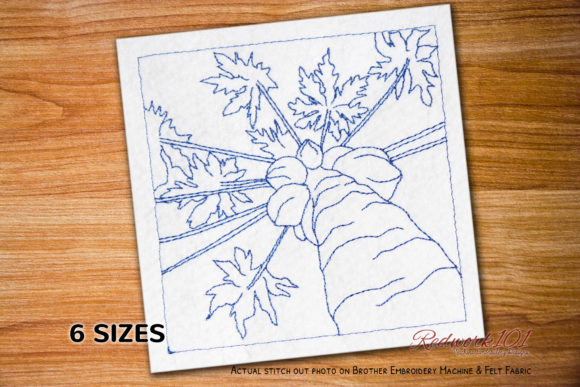
The first thing that strikes you about Papaya Tree Lineart is its minimalist elegance. Unlike dense, photo-realistic digitizations that require thousands of stitches, this design relies on the beauty of negative space and clean lines. The visual mood is calm, tropical, and sophisticated. It does not scream for attention; rather, it invites a closer look. For designers creating design assets for boutique merchandise, this subtlety is a major advantage. It allows the texture of the fabric to shine through, which is increasingly popular in contemporary home decor and apparel.
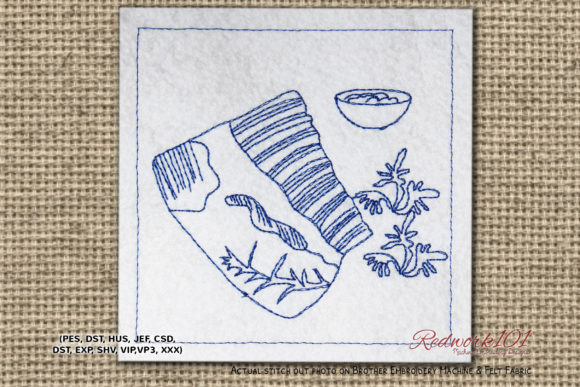
The description notes that the box stitch shown in promotional pictures is optional and that the outer box color may vary or be skipped. This flexibility is crucial. It means the core value of the machine embroidery design lies in the papaya tree itself, allowing us to integrate it seamlessly into custom layouts without being constrained by rigid borders. This adaptability makes it a strong candidate for various commercial embroidery projects where branding consistency is key.
Performance in Real-World Projects
When considering a new digital embroidery file, I always ask myself: where will this actually sell? Papaya Tree Lineart has versatile applications across several product categories. Here is how I envision it performing in real-world scenarios:
- Custom Apparel: The linear nature of the design makes it ideal for sweatshirt embroidery. Placed on the left chest or as a larger back print, it adds a touch of whimsy without the bulk of heavy fill stitches. It would also work beautifully on linen shirts or summer dresses, where breathability and lightweight stitching are priorities.
- Tote Bags and Aprons: Canvas and cotton tote bags benefit from designs that do not pucker the fabric. Since this design likely utilizes running stitch elements rather than dense saturation, it should lay flat on heavier materials. An embroidered apron featuring this papaya motif would make a charming handmade product for kitchen enthusiasts or gardening lovers.
- Nursery Decor and Baby Items: The soft, organic shape of the papaya tree fits well within the neutral, nature-inspired trends of modern nursery decor. It could be stitched onto pillow covers or baby blankets, provided the thread colors are kept soft and pastel. As a personalized gift, it offers a unique alternative to common animals or flowers.
- Embroidered Patches: For those selling patches, this line art style translates well to satin-edged patches. The clear outlines allow for crisp cutting and finishing, making it a viable option for embroidered patch collections focused on botanical themes.
Technical Considerations for Stitching
While the aesthetic is appealing, the technical execution is where many designs fail. Based on the "lineart" classification, here are some practical notes for ensuring a high-quality finished product.
Stitch Density and Fabric Choice: Line art designs typically have lower stitch density compared to fill-heavy designs. This is generally a positive trait, as it reduces puckering. However, on stretchy fabrics like jersey knits for t-shirts, proper stabilization is non-negotiable. I recommend using a cut-away stabilizer for garments that will be washed frequently, as it provides ongoing support to the stitches. For woven fabrics like cotton or linen used in tote bag design or kitchen towels, a tear-away stabilizer may suffice, but always test on scrap fabric first.
Thread Color Contrast: Because the design relies on lines, thread choice is critical. On dark fabrics, ensure you use a high-contrast thread color to maintain visibility. On light fabrics, you might opt for a tonal look for a subtle, textured effect. Always check your thread colors against the fabric under natural light before committing to a production run.
Hoop Size and Placement: The product description does not specify exact dimensions, so it is vital to check the hoop size compatibility on the Creative Fabrica product page before downloading. If the design is small, it may be perfect for caps or pocket placements. If larger, ensure your machine can accommodate the required hoop. For curved surfaces like caps, consider the distortion that might occur with linear elements; a smaller scale might be safer to prevent wrapping issues.
The Optional Box Stitch: The note about the optional box stitch is significant. If you choose to include it, ensure it aligns perfectly with your fabric grain. If you skip it, as suggested for most uses, verify that the start and end points of the tree design are tidy. Loose threads at the start or end of a line art piece are more noticeable than in dense designs, so careful trimming and backing are essential for a professional finish.
Enhancing Product Value and Brand Appeal
Using high-quality assets like Papaya Tree Lineart can significantly impact your brand perception. In the saturated market of Etsy sellers and craft fair vendors, presentation is everything. A clean, well-digitized design signals professionalism. When customers see crisp lines and no unnecessary bulk, they perceive higher value. This trust translates into repeat business and positive reviews.
Furthermore, this design lends itself well to printable mockup creation. Because the lines are distinct, digital mockups will look realistic and appealing, helping you market your custom apparel or home goods effectively online. Consistent use of such cohesive design elements helps build a recognizable brand identity, whether you are focusing on tropical themes, food-inspired decor, or general botanical aesthetics.
Final Verdict and Best Practices
Is Papaya Tree Lineart worth adding to your library? For designers looking to expand their Creative Fabrica embroidery collection with versatile, modern motifs, the answer is likely yes. It fills a niche for simple, elegant food and plant-based imagery that is easy to stitch and appealing to a broad audience.
Before you begin your next project, remember these final steps:
- Verify File Details: Check the product page for specific file formats (such as PES, DST, or JEF) to ensure compatibility with your machine.
- Review Licensing: Confirm the license terms on Creative Fabrica. Most standard licenses allow for the sale of physical finished product items, but it is always best to be certain before launching a commercial line.
- Test Stitch: Never skip the test stitch. Run the design on a scrap piece of your intended fabric with the same stabilizer and thread you plan to use. Inspect small details for any jumping or loose threads.
- Photography: When listing your items, highlight the texture and simplicity of the embroidery. Good lighting will showcase the quality of the stitch work, reinforcing the premium feel of your handmade goods.
In conclusion, Papaya Tree Lineart offers a blend of artistic charm and technical simplicity. It is a solid choice for anyone looking to create stylish, wearable art or home accessories that stand out for their understated elegance. By paying attention to fabric choice, stabilization, and thread contrast, you can transform this digital asset into a standout bestseller in your shop.