Review: Blooming Begonia Lineart for Craft Fairs
As an embroidery designer who has spent countless weekends behind a craft fair table, I have learned that not all designs are created equal when it comes to moving inventory. Some designs look stunning on a screen but disappear in person, while others become instant bestsellers because they catch the eye from three feet away. Today, I am putting the Blooming Begonia Flower Lineart Design under the microscope. I am evaluating it not just as art, but as a viable craft fair product for handmade shop owners and Etsy sellers looking to refresh their spring and summer collections.
First Impressions: Minimalism Meets Botanical Charm
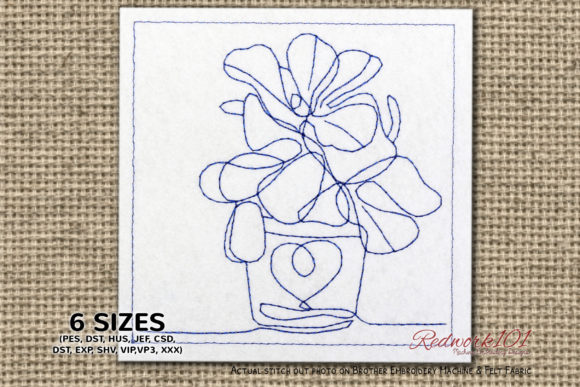
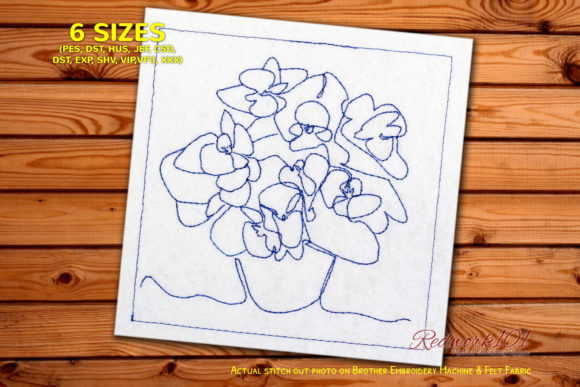
The first thing that strikes me about this machine embroidery design is its clean, linear aesthetic. In a market often saturated with dense, colorful fills, lineart offers a breath of fresh air. It feels modern, elegant, and slightly rustic without leaning too heavily into farmhouse clichés. The begonia is a beloved garden flower, recognizable yet distinct enough to feel special. This design falls squarely into the Single Flowers category, which is a smart move for versatility. It does not scream for attention with neon threads; instead, it invites closer inspection. For a boutique maker, this subtlety is a strength. It suggests a premium, understated quality that appeals to buyers who prefer minimalist decor over loud statements.
Product Potential: Where This Design Shines
When I visualize my booth display, I immediately see where the Blooming Begonia Flower Lineart Design fits best. It is not a one-size-fits-all solution, but it excels in specific applications.
- Tote Bags and Market Bags: This is arguably the strongest contender. A large-scale version of this lineart centered on a natural canvas tote creates a chic, eco-friendly vibe. The open spaces in the lineart allow the fabric texture to show through, enhancing the handmade feel.
- Tea Towel Embroidery: Kitchen textiles are staple handmade products. Because the design is line-based, it avoids the bulkiness that can make towels difficult to fold or use. It adds a decorative touch without compromising functionality.
- Apron Embroidery: Placed on the bib or the lower corner of a waist apron, this design elevates a simple garment into a giftable item for gardeners and cooks. It feels personal and thoughtful.
- Embroidered Patches: If you stabilize correctly, this design translates well to patches. The clear outlines make it easy to cut around, creating a professional-looking accessory that customers can iron onto jackets or bags.
However, I would hesitate to use this on curved cap surfaces unless the digitizing is specifically optimized for that hoop shape. Lineart can distort more noticeably than filled designs if the fabric pulls unevenly.
Production Practicality for Small Shop Owners
For those of us running small businesses, time is money. One of the biggest advantages of this digital embroidery file is likely its efficiency. Lineart designs typically have lower stitch counts compared to filled counterparts, meaning faster run times. This allows for better batch production, a crucial factor when preparing for a busy weekend market. You can stitch out multiple units in the time it takes to complete one dense design.
Photography is another critical sales tool. This design photographs exceptionally well for online listings. The high contrast between the thread and the fabric creates sharp, clean images that look great on social media and Etsy. It also lends itself beautifully to creating a printable mockup for your digital storefront, helping customers visualize the final result before they buy.
Critical Considerations and Careful Use
While the potential is high, there are technical pitfalls to avoid. As an experienced designer, I must highlight a few areas where caution is needed.
- Fabric Texture: On highly textured fabrics like waffle-weave towels, fine lines can get lost. Ensure your thread color contrasts sufficiently with the background. A dark thread on a white towel works; a light gray on white may vanish.
- Stitch Density and Stability: Even though it is lineart, check the stitch density. If the lines are too sparse, they may look flimsy. If they are too dense, they might pucker lightweight fabrics. Always use the right stabilizer. For tote bags, a cut-away stabilizer provides longevity. For towels, a tear-away might suffice, but test first.
- The Optional Box Stitch: The product description notes that "The Box Stitch shown in picture is optional." This is a vital detail. If you include the box, ensure it frames the flower without crowding it. If you skip it, verify that the flower stands alone comfortably. The description also mentions, "The color of outer Box is different color in most of the designs unless it is part of the design itself, you can skip the color dir." This implies flexibility in thread choices, allowing you to match your brand’s thread colors seamlessly.
- Size Clarity: Do not shrink this design too much. Intricate line work loses clarity at very small sizes. Determine the minimum viable hoop size by stitching a test sample. If the petals blur together, it is too small.
Enhancing Visual Appeal and Brand Consistency
Using the Blooming Begonia Flower Lineart Design can significantly boost your booth’s visual appeal. It creates a cohesive look when paired with other botanical or minimalist items. For an Etsy seller, consistency in design style builds brand recognition. If your shop specializes in delicate, nature-inspired goods, this design reinforces that identity. It signals to the buyer that you care about aesthetics and quality.
Furthermore, this design encourages engagement. Customers at craft fairs often touch items to feel the stitching. Smooth, flat lineart is pleasing to the touch, unlike raised satin stitches that can sometimes feel bulky. This tactile experience can be the deciding factor in a purchase.
Designer Notes: Before You Start Stitching
Before you commit to producing a full inventory of commercial embroidery products, follow these steps:
- Test on Scrap Fabric: Never skip this. Stitch the design on the exact fabric you plan to sell. Check for puckering, thread breaks, or registration issues.
- Check Thread Contrast: View your test stitch from five feet away. Can you still see the details? If not, adjust your thread palette.
- Verify Licensing: Ensure you have the appropriate license for finished product sales. Most digital designers allow commercial use for physical items, but always confirm the terms included with your design assets.
- Create Real Mockups: Photograph your stitched sample on the actual product. Use these images for your marketing materials to set accurate customer expectations.
In conclusion, the Blooming Begonia Flower Lineart Design is a strong candidate for any maker focusing on Single Flowers and elegant Embroidery pieces. It balances aesthetic appeal with production efficiency, making it a practical choice for both novice and veteran crafters. By paying attention to fabric choice, stabilization, and sizing, you can turn this simple lineart into a standout star of your next craft fair.