Reviewing Bee Balm Flower Redwork for Custom Gifts
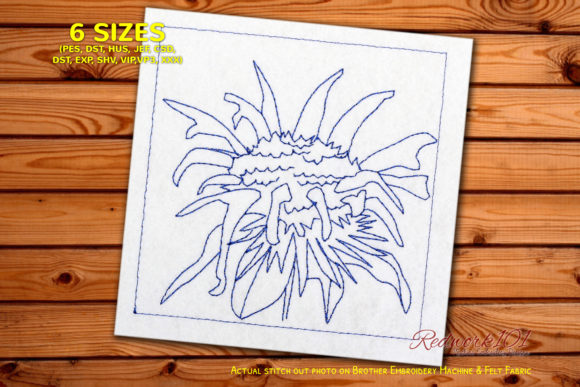
As an embroidery designer who spends countless hours digitizing and testing patterns, I approach every new machine embroidery design with a critical eye. It is not just about how it looks on the screen; it is about how it performs in the real world. Recently, I had the opportunity to test the Bee Balm Flower Redwork for a client’s personalized gift shop. This design falls under the category of Single Flowers, a staple in the world of Embroidery due to its versatility and timeless appeal. My goal was to determine if this specific pattern could hold up under the demands of commercial production while maintaining the delicate charm required for high-end handmade items.
The First Impression: Charm and Simplicity
When I first loaded the digital embroidery file into my software, the immediate impression was one of understated elegance. Redwork designs have a unique ability to bridge the gap between traditional folk art and modern minimalism. The Bee Balm Flower Redwork captures this balance beautifully. It feels sweet yet sophisticated, making it suitable for a wide range of demographics. Unlike complex multi-color designs that can sometimes look busy or overwhelming, this single-color approach relies on line weight and shape to convey emotion. It feels handmade in the best possible way, evoking a sense of nostalgia and warmth that is highly sought after in today’s market.
The mood of the design is romantic and seasonal, hinting at summer gardens and fresh blooms. For a small shop product, this emotional connection is vital. Customers are not just buying a stitch pattern; they are buying a feeling. Whether it is for a grandmother’s birthday or a new home celebration, the simplicity of the bee balm motif allows the recipient to project their own memories onto the piece. This versatility is what makes it a strong candidate for a personalized gift inventory.
Versatility in Product Application
One of the strongest assets of the Bee Balm Flower Redwork is its adaptability. During my testing phase, I stitched it onto various substrates to see where it shined brightest. For baby embroidery, the design works exceptionally well on muslin swaddle blankets or organic cotton onesies. The lack of dense satin stitches means the fabric remains soft against sensitive skin, a crucial factor for parents. However, when using it for blanket embroidery, one must ensure the scale is appropriate so the flower does not get lost in the expanse of fabric.
For wedding gift markets, this design is a contender for heirloom-quality keepsakes. Imagine it embroidered on a linen table runner or a set of cloth napkins. The redwork tradition ties into historical wedding customs, adding a layer of depth to the handmade product. I also tested it on canvas tote bags and aprons. Here, the design stands out boldly, offering a chic, botanical aesthetic that appeals to modern crafters and garden enthusiasts. An embroidered towel featuring this flower makes for an excellent housewarming present, combining utility with decorative flair.
Furthermore, for Etsy sellers looking to expand their custom embroidery offerings, this design can be paired with monograms or dates. Placing the bee balm above a family surname on a pillow cover creates a balanced composition that feels custom-designed rather than mass-produced. It serves as an excellent anchor for larger compositions without dominating the visual space.
Technical Considerations and Fabric Choices
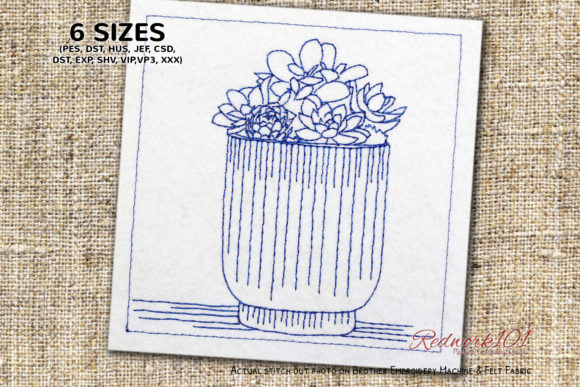
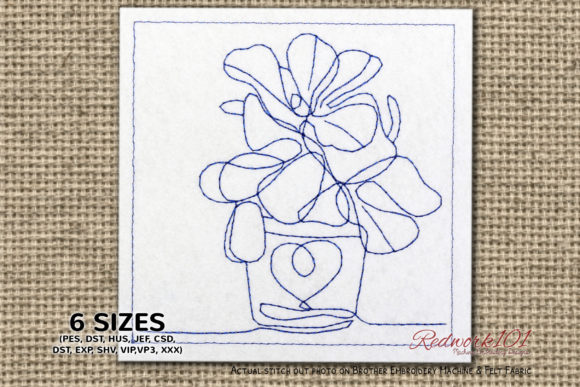
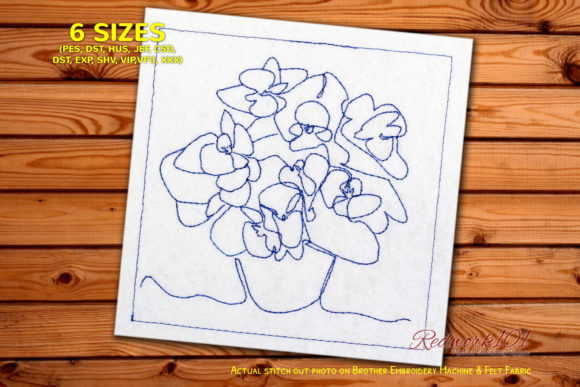
While the design is charming, practical application requires attention to detail. The product description notes that "The Box Stitch shown in the picture is optional. The color of the outer box is a different color in most of the designs unless it is part of the design itself, you can skip the color." This is a critical instruction for production efficiency. Skipping unnecessary color stops saves time and reduces thread waste, which is essential for commercial embroidery profitability. However, always verify if the box adds structural value or framing to your specific layout before omitting it.
Fabric texture plays a significant role in the final outcome. On smooth cottons and linens, the lines of the redwork are crisp and clear. However, on textured fabrics like terry cloth towels or waffle-weave blankets, the finer details may get lost. I recommend avoiding this design on highly textured surfaces unless you are using a heavier thread weight to compensate. Similarly, when working with stretchy baby clothes, proper stabilization is non-negotiable. A cut-away stabilizer is often safer than tear-away for garments that will undergo frequent washing and wearing.
Dark fabrics present another challenge. Since redwork typically uses a single thread color, contrast is key. A classic red thread on navy or black fabric looks striking, but if you choose a subtle tone-on-tone effect, ensure the lighting in your printable mockup and product photography highlights the stitches. Otherwise, the design may appear invisible in online listings, reducing buyer engagement.
Enhancing Perceived Value and Trust
From a business perspective, the quality of the stitch-out directly influences customer trust. A clean, puckering-free embroidery job signals professionalism. The Bee Balm Flower Redwork, with its relatively open structure, is forgiving regarding stitch density, but this does not mean one should neglect hoop tension. Proper hooping ensures that the floral lines remain smooth and do not distort. When customers receive a finished product that looks pristine, they are more likely to leave positive reviews and return for future purchases.
Photography is where this design truly sells itself. The simplicity of the flower allows for clean, bright images that perform well on social media platforms. For digital product sellers who provide the file rather than the stitched item, creating high-quality mockups showing the design on various items—such as aprons, totes, and nursery decor—can significantly boost conversion rates. Buyers need to visualize the potential of the embroidery file in their own projects.
Practical Testing Notes for Designers
Before adding this design to your catalog, I strongly advise conducting thorough tests. Start by stitching on scrap fabric similar to your intended final product. Check the thread colors against both light and dark backgrounds to ensure versatility. Confirm the hoop size requirements; while single flowers are often small, ensure your machine’s minimum hoop size can accommodate the design without excessive re-hooping if you are doing multiple items.
Pay close attention to the small details after stitching. Are the tips of the petals sharp? Is there any bird nesting on the back? These minor issues can become major problems in a production environment. Additionally, always confirm commercial licensing terms. Just because you have purchased the file does not automatically grant rights for mass production. Ensure you are compliant with the designer’s terms to protect your business.
In conclusion, the Bee Balm Flower Redwork is a versatile and emotionally resonant addition to any embroidery library. It bridges the gap between traditional craftsmanship and modern gift-giving trends. By paying attention to fabric choice, stabilization, and presentation, embroidery makers and shop owners can leverage this design to create meaningful, high-value products that resonate with customers seeking the warmth of a handmade touch.