Reviewing Circle Quilting Pattern Redwork for Gifts
As an embroidery designer who has spent years testing digital files for real-world application, I approach every new machine embroidery design with a mix of excitement and skepticism. It is not enough for a pattern to look pretty on a screen; it must hold up under the needle, survive the wash, and delight the recipient. Recently, I loaded the Circle Quilting Pattern Redwork into my software to evaluate its potential for a personalized gift shop. This review is written from the perspective of a maker preparing to offer this design to customers who value handmade quality and emotional connection.
First Impressions: Charm and Simplicity
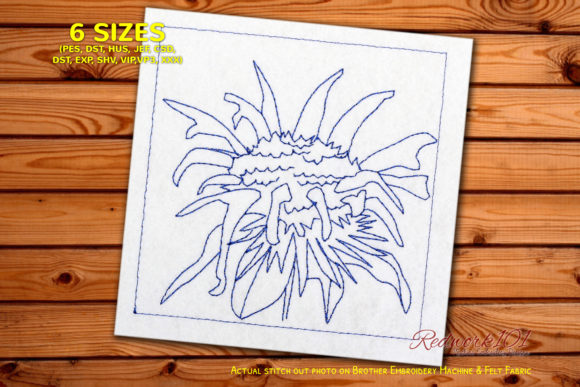
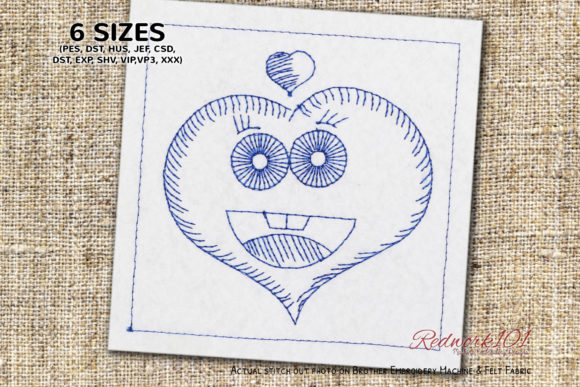
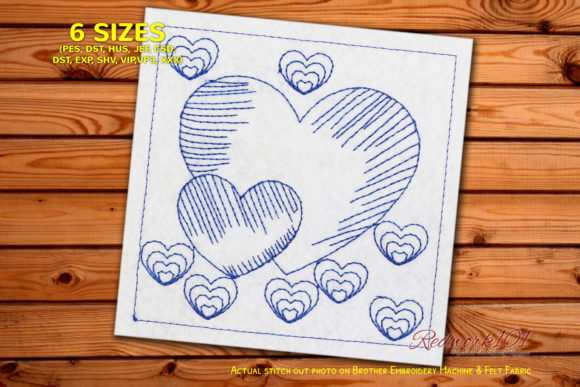
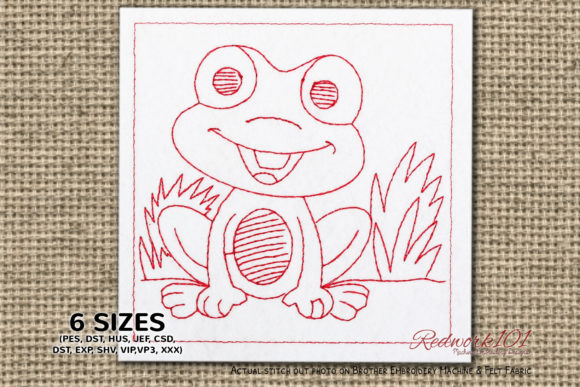
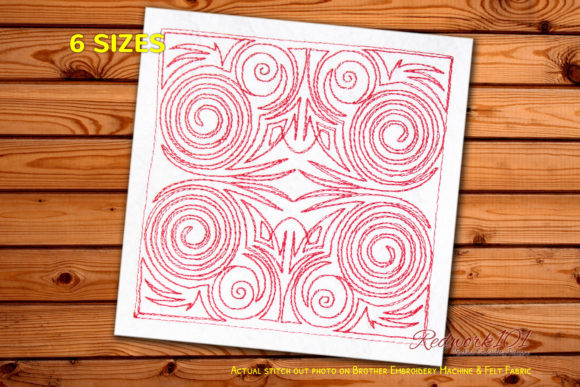
The immediate appeal of the Circle Quilting Pattern Redwork lies in its nostalgic charm. Redwork, traditionally stitched in a single color, evokes a sense of heritage and timeless elegance. When I first viewed the preview, the mood felt sweet and classic, rather than overly modern or trendy. This is a significant advantage for sellers targeting buyers looking for heirloom-quality items. The design does not rely on complex shading or thousands of stitches to make an impact. Instead, it uses clean lines and geometric precision to create visual interest.
For those browsing the Intricate Cuts category, this design offers a refined alternative to heavy fill patterns. It feels airy and light, which is crucial when working with delicate fabrics. The emotional appeal is strong; it suggests warmth, home, and care. Whether used for a baby’s nursery or a kitchen refresh, the aesthetic is versatile. It is playful enough for a child’s item yet elegant enough for a wedding keepsake. This duality makes it a valuable asset for any Etsy seller or small business owner looking to expand their product range without investing in dozens of niche-specific designs.
Versatility in Personalized Gift Products
The true test of any embroidery file is its adaptability. I imagined several scenarios where the Circle Quilting Pattern Redwork could shine as a personalized gift. Here is how it performs across different product types:
- Baby Embroidery: The simple lines are perfect for baby blankets and receiving swaddles. Because redwork typically uses a single thread color, you can easily match it to nursery themes. It adds a touch of sophistication to blanket embroidery without overwhelming the soft fabric.
- Kitchen Linens: An embroidered towel or apron benefits greatly from this pattern. The circular motif complements the shape of plates and bowls, making it ideal for hostess gifts. It elevates a standard cotton towel into a handmade product that feels curated and special.
- Wedding Gifts: For wedding registries, this design works beautifully on pillow covers or table runners. Its classic nature ensures it will not look dated in photos taken ten years from now. It serves as a subtle, romantic accent rather than a loud statement.
- Tote Bags and Apparel: When applied to canvas totes or denim, the sturdy lines of the redwork hold up well. It creates a chic, artisanal look that appeals to buyers who support small shops.
Each of these applications leverages the design’s ability to enhance the base material rather than hide it. For a small shop product, this means lower material costs and higher perceived value. Customers are drawn to the clarity of the stitch work, which signals high-quality custom embroidery.
Navigating Fabric and Technical Challenges
While the design is forgiving, it is not without its technical requirements. As a designer, I must advise caution when selecting materials. The success of the Circle Quilting Pattern Redwork depends heavily on fabric texture and stability. Here are key areas where careful planning is essential:
- Fabric Choice: Avoid highly textured fabrics like thick terry cloth or loose-weave linens unless you use a strong cut-away stabilizer. The fine lines of redwork can get lost in deep piles or distort if the fabric shifts. Smooth cottons, linens, and canvas are ideal.
- Stretchy Materials: Be cautious with stretchy baby clothes. Without proper hooping and stabilizing, the circular shapes may oval out during stitching. Always test on scrap fabric first to ensure the geometry remains true.
- Color Contrast: Since this is a redwork-style design, thread color contrast is vital. On dark fabrics, ensure your thread is bright enough to stand out. On light fabrics, a deep red or navy provides the traditional look. Check your thread colors against the fabric before committing to a final piece.
- Washability: Products that need frequent washing, such as kitchen towels and baby items, must be secured properly. Ensure the stitch density is appropriate for the fabric weight. If the stitches are too dense for a lightweight cotton, the fabric may pucker after washing.
It is also important to note the specific instructions provided with the file. The description mentions that "The Box Stitch shown in the picture is optional. The color of the outer Box is a different color in most of the designs unless it is part of the design itself, you can skip the." This flexibility is a boon for customization. You can choose to include the box for a framed effect or skip it for a more organic, floating look. However, always verify these details in the actual digital embroidery file notes before production.
Enhancing Perceived Value and Customer Trust
From a business perspective, the Circle Quilting Pattern Redwork is a tool for building trust. When a customer receives a product with clean, crisp stitching, they associate that quality with your brand. This design helps achieve that standard. It is not overly complex, which reduces the risk of thread breaks or user error, leading to a more consistent finished product.
Furthermore, this design enhances product photography. The clear lines photograph well, allowing you to create compelling printable mockup images for your online store. High-quality images drive buyer engagement and conversion. When customers see a design that looks professional and thoughtful, they are more likely to perceive the item as a valuable wedding gift or cherished keepsake. It bridges the gap between mass-produced goods and true artisanal craft.
Practical Steps for Implementation
Before adding this design to your inventory, follow these practical steps to ensure success:
- Test on Scrap Fabric: Never stitch a new design directly on a customer’s item. Run tests on similar fabric weights to check for puckering or distortion.
- Confirm Hoop Size: Check the required hoop size for the specific version of the file you purchase. Ensure your machine can accommodate it comfortably.
- Review Commercial Licensing: If you plan to sell finished items, confirm the commercial embroidery license terms. Most designers allow small-scale sales, but it is crucial to read the specific agreement included with the download.
- Check Small Details: After stitching, inspect the curves and intersections. Ensure there are no loose threads or gaps that could unravel over time.
In conclusion, the Circle Quilting Pattern Redwork is a versatile and charming addition to any embroidery designer’s library. It balances aesthetic appeal with practical usability, making it suitable for a wide range of personalized gift products. By paying attention to fabric choice, stabilization, and color contrast, you can create stunning items that resonate with customers. Whether you are creating baby embroidery pieces or elegant home decor, this design offers the reliability and beauty needed to grow your handmade business. Embrace the simplicity of redwork, and let the quality of your craftsmanship speak for itself.