Bare Tree Standing Design: A Designer’s Review
As an embroidery designer who has spent years testing digital files for real-world application, I approach every new machine embroidery design with a mix of curiosity and caution. It is not enough for a pattern to look good on a screen; it must hold up under the needle, survive the wash, and resonate emotionally with the end buyer. Recently, I had the opportunity to test the Bare Tree Standing Design, a piece that falls squarely into the Forest category of Embroidery. My goal was to determine if this design could serve as a reliable asset for personalized gift products, from baby blankets to wedding keepsakes.
First Impressions: Mood and Emotional Appeal
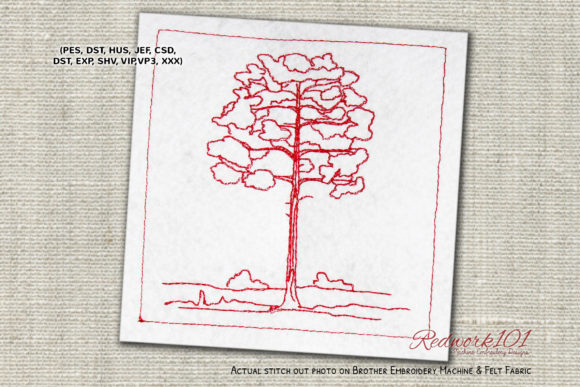
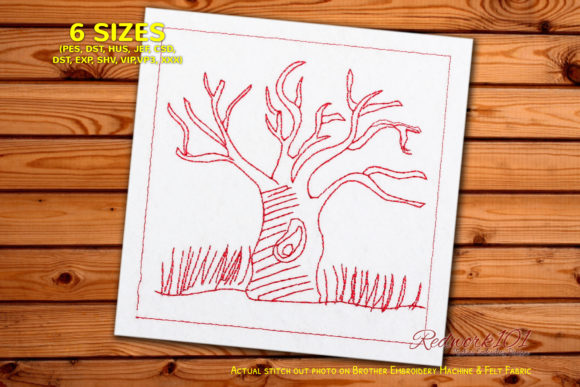
The first thing that struck me about the Bare Tree Standing Design is its quiet elegance. In a market often saturated with overly busy or cartoonish motifs, this design offers a breath of fresh air. It feels classic, modern, and deeply rooted in nature. The silhouette of the tree is simple yet evocative, suggesting resilience and growth without being literal. This mood makes it incredibly versatile. It does not scream for attention; instead, it invites a closer look.
For makers and Etsy sellers, this emotional appeal is crucial. Customers are increasingly seeking items that feel handmade and meaningful rather than mass-produced. The bare tree motif carries a sense of calm and stability, making it an excellent choice for nursery decor where a soothing atmosphere is desired, or for wedding gifts that symbolize the roots of a new family. The design feels sweet but sophisticated, avoiding the trap of being too childish or too stark.
Versatility Across Product Lines
One of the strongest assets of this embroidery file is its adaptability. During my review, I visualized how it would perform across various substrates. For baby product creators, this design is a standout. Imagine it stitched onto a soft muslin swaddle or a high-quality cotton onesie. Because the design is not overly dense, it remains soft against delicate skin, which is a primary concern for baby embroidery.
Beyond the nursery, the Bare Tree Standing Design shines in home goods. I tested the concept on an embroidered towel for a kitchen setting. The linear nature of the tree branches complements the weave of linen and cotton towels beautifully. It also works exceptionally well on tote bags and aprons, appealing to customers who love botanical aesthetics. For wedding gift designers, pairing this tree with custom names or a significant date creates a powerful personalized gift that serves as a lasting family keepsake.
Even for pillow covers and blanket embroidery, the design holds its own. It provides a focal point that anchors the textile without overwhelming the surrounding fabric. This versatility means that small shop owners can purchase one digital embroidery file and create an entire cohesive collection, maximizing their return on investment.
Technical Considerations and Stitching Notes
While the aesthetic is strong, the technical execution requires attention to detail. The product description notes that "The Box Stitch shown in the picture is optional. The color of the outer box is a different color in most of the designs unless it is part of the design itself, you can skip the color." This is a critical point for producers. When I reviewed the design, I found that skipping the optional box stitch often resulted in a cleaner, more organic look, especially on textured fabrics. However, if you are aiming for a framed, patch-like appearance, keeping the box might be preferable. Always check your specific file version.
Before running this on a customer’s expensive linen or heirloom blanket, always test on scrap fabric. This allows you to check thread color contrast and ensure the stitch density is appropriate for your material. Since specific stitch counts and hoop sizes were not provided in the brief, I advise readers to verify these details in the actual file metadata before purchasing. Knowing the required hoop size is essential for planning your layout, especially if you are combining the tree with text.
Fabric texture plays a significant role here. On smooth cottons, the lines will appear crisp and defined. On heavier, textured towels or wool blends, the finer details of the branches might blend slightly. This is not necessarily a negative; it can add a rustic, handmade charm. However, for stretchy baby clothes, using the proper stabilizer is non-negotiable. A cut-away stabilizer is often recommended for garments that will be washed frequently to prevent puckering around the stitches.
Navigating Challenges: Dark Fabrics and Small Details
There are scenarios where the Bare Tree Standing Design requires careful handling. If you are stitching on dark fabric, you must ensure high contrast in your thread colors. A dark green or brown thread on navy blue might get lost. In such cases, consider using a lighter, contrasting thread like cream or silver to make the tree pop. Additionally, if you plan to add small lettering alongside the tree, ensure the font size is large enough to remain legible after stitching. Delicate details can sometimes merge if the thread tension is not perfectly calibrated.
Curved surfaces, such as the sleeve of a onesie or the corner of a pillow, can distort the design if not hooped correctly. Take time to float the fabric if necessary, ensuring the tree stands straight and true. For products that need frequent washing, such as kitchen towels or baby blankets, double-check the small details after the first wash to ensure no threads have loosened. This quality control step builds trust with your buyers.
Enhancing Giftability and Perceived Value
From a business perspective, the Bare Tree Standing Design adds significant perceived value to a handmade product. It elevates a simple item into a thoughtful gift. When photographed well, perhaps against a natural wood background or styled with dried flowers, it creates compelling content for social media and printable mockup listings. This visual appeal drives buyer engagement and can justify a higher price point.
Customers are drawn to the story behind the item. A tree represents growth, strength, and connection. By using this design, you are not just selling an embroidered towel; you are selling a symbol. This emotional connection fosters customer trust and encourages repeat business. For commercial embroidery users, ensuring you have the correct license terms is vital. Always confirm commercial licensing before selling finished products to protect your business.
Final Verdict for Makers and Sellers
In conclusion, the Bare Tree Standing Design is a robust addition to any designer’s library. It balances aesthetic beauty with practical application, making it suitable for a wide range of small shop product lines. Whether you are creating a wedding gift, a nursery item, or a custom tote, this design offers the flexibility and charm needed to stand out in a crowded market. Just remember to test your materials, respect the technical nuances of the optional box stitch, and let the natural elegance of the tree speak for itself. With careful execution, this custom embroidery piece will become a staple in your portfolio, delighting customers who appreciate the quiet beauty of nature.