Reviewing Old Cartoon Radio Redwork for Real Projects
As a designer who spends more time staring at stitch simulations than I do sleeping, I have learned to look past the flashy preview images. What matters is how a machine embroidery design behaves when the needle actually hits the fabric. Recently, I pulled up Old Cartoon Radio Redwork to evaluate its potential for a client’s upcoming line of nostalgic home goods. The concept is simple: a vintage radio rendered in classic redwork style. But simplicity in design often demands precision in execution. Here is my honest assessment of how this piece holds up in real-world application.
First Impressions and Visual Personality
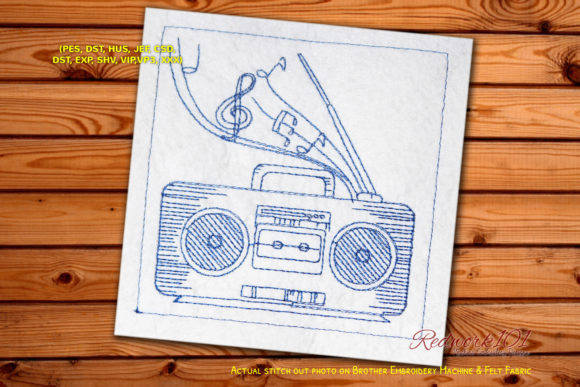
The immediate appeal of Old Cartoon Radio Redwork lies in its clean lines and retro charm. Redwork, traditionally stitched in a single color on white or cream fabric, relies entirely on outline clarity. There are no fill stitches to hide behind. This design captures the whimsical, boxy aesthetic of mid-century cartoons without becoming cluttered. The mood it creates is warm, inviting, and distinctly handmade. It does not scream for attention; rather, it invites a closer look, which is exactly what you want for a boutique product.
The layout is balanced, with a clear focal point on the radio dial and speaker grille. For an embroidery project centered around nostalgia, this visual personality is spot on. It feels appropriate for a kitchen setting, a nursery, or a cozy reading nook. However, because it is an outline-based design, the weight of the line work is critical. If the running stitch is too light, the design gets lost. If it is too heavy, it looks clunky. From what I can see in the preview, the line weight appears consistent, suggesting a professional digitizing job that respects the limitations of thread.
Real-World Application: Where It Shines
I tested this concept mentally against several common products. The most natural fit is undoubtedly a tote bag design. Imagine this stitched in deep crimson on a natural canvas tote. The contrast would be striking, and the durability of a simple running stitch means it will withstand the wear and tear of grocery runs and library visits. It transforms a basic bag into a handmade product with character.
Another strong contender is sweatshirt embroidery. A crewneck sweatshirt in heather gray or oatmeal would provide a soft, textured background that complements the crisp lines of the radio. Placed on the left chest, it serves as a subtle brand mark or a personal statement. For custom apparel, this design is versatile enough to appeal to various demographics, from grandparents who remember the actual era to younger customers who appreciate the vintage aesthetic.
I also see potential in holiday embroidery projects. During the winter season, this radio could easily be adapted into a Christmas theme by changing the thread color to green or gold and adding a small holly sprig nearby. It works well as a personalized gift, perhaps monogrammed with initials inside the radio’s display area if space permits. For Etsy sellers and small shop product creators, this versatility is a major selling point. It allows for multiple SKU variations from a single digital embroidery file.
Technical Considerations and Fabric Choice
While the design is charming, it is not without its technical demands. Redwork is unforgiving on unstable fabrics. If you are planning to stitch this on a stretchy fabric like jersey knit, you must use a high-quality cut-away stabilizer. Without it, the outlines may pucker or distort after washing. I always advise testing the design on scrap fabric first, especially when working with new materials.
The note regarding the optional box stitch is crucial. The description states, "The Box Stitch shown in picture is optional. The color of outer Box is different color in most of the designs unless it is part of the design itself, you can skip the color directly." This flexibility is a benefit for experienced users. If you are stitching on a dark fabric, you might choose to omit the outer box to reduce stitch count and avoid bulk. However, if you are stitching on a light fabric, the box can help frame the design and give it a finished, patch-like appearance. Just ensure that if you include the box, your thread colors have sufficient contrast against the background.
Be cautious with thin fabric like silk or lightweight cotton. The density of the running stitch, while generally low, can still cause puckering if the tension is not perfectly calibrated. For these delicate materials, I recommend using a water-soluble topping to keep the stitches sitting on top of the weave rather than sinking in. This preserves the clarity of the cartoon lines.
Commercial Viability and Brand Consistency
For those running a craft business, consistency is key. Old Cartoon Radio Redwork offers a level of professionalism that builds customer trust. It does not look like a amateur doodle; it looks like a deliberate design asset. When used in commercial embroidery, such as branded aprons for a coffee shop or uniforms for a vintage store, it adds a layer of curated style. Buyers engage more with products that feel thoughtful. This design feels thoughtful.
However, always verify the licensing terms before selling finished items. While many designers allow commercial use of their embroidery file, some restrict it to physical products only, prohibiting the resale of the digital file itself. Confirm these details to protect your business. Additionally, check the recommended hoop size. If the design is large, it may require a 5x7 or 6x10 hoop, which limits its use on smaller items like baby caps or pocket squares. If it fits in a 4x4 hoop, its utility expands significantly.
Final Verdict for Designers
In summary, Old Cartoon Radio Redwork is a solid addition to any designer’s library. It excels in contexts where clarity and nostalgia are valued. It performs well on stable fabrics like canvas, denim, and twill. It requires careful stabilizer selection for knits and delicate materials. The optional box feature provides useful customization for different colorways.
Before committing to a full production run, create a printable mockup to visualize the scale. Test stitch it on both light and dark fabrics to assess contrast. Check the stitch density to ensure it does not overwhelm thin materials. If you are an Etsy seller or a maker of design assets, this piece offers a reliable, attractive option for creating memorable finished product offerings. It is not just a pattern; it is a tool for storytelling through thread. Use it wisely, and it will serve your creative enterprise well.