Birthday Cake for First Birthday: A Designer’s Review
As an embroidery designer who has spent countless weekends behind a craft fair table, I have learned that not all designs are created equal. Some look stunning on a screen but fail to capture attention in a busy booth. Others are so complex they eat up machine time without adding proportional value. Today, I am reviewing the Birthday Cake for First Birthday design from the perspective of a maker preparing for the high-stakes environment of a handmade market. This is not just about aesthetics; it is about viability, production speed, and customer appeal.
First Impressions and Visual Appeal
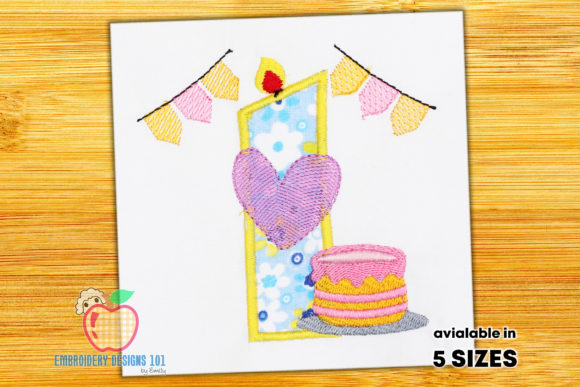
When I first loaded the Birthday Cake for First Birthday file into my editing software, my immediate reaction was one of relief. In the world of Birthdays and celebration-themed Embroidery, designs can often become cluttered with excessive details that do not translate well to fabric. This design, however, strikes a balance between festive charm and clean execution. It feels soft, celebratory, and undeniably cute without leaning too heavily into chaotic patterns.
The visual weight of the cake motif suggests it is designed to be a focal point. For a craft fair seller, this is crucial. Customers walking past your booth have seconds to decide if they should stop. A design that is too small or too subtle gets lost. This cake design appears bold enough to be seen from a few feet away, which is essential for drawing in parents and gift-buyers looking for that perfect first-year milestone item.
Product Versatility for Craft Fairs
The true test of any machine embroidery design is its versatility. Can it survive on different textiles? Does it elevate the perceived value of the finished product? I evaluated where this specific design would perform best in a real-world retail setting.
- Tote Bags and Market Bags: This is likely the strongest contender. A canvas tote with a centered birthday cake motif becomes an instant keepsake. The flat surface of a tote allows the stitches to lay perfectly, ensuring the stitch density does not cause puckering. It transforms a simple bag into a memorable craft fair product.
- Aprons and Tea Towels: Kitchen linens are staples at handmade markets. An apron embroidery featuring this cake design appeals to grandparents buying gifts for new parents. Similarly, tea towel embroidery works well if the design is scaled down slightly to fit the narrower fabric width. The contrast of colorful threads against white or cream linen looks premium and clean.
- Caps and Hats: While popular, caps require caution. The curved surface of a cap can distort larger designs. If you choose to embroider this on a hat, ensure you are using the smallest available hoop size provided in the package to maintain clarity. The design must sit flat against the front panel without wrapping around the sides.
- Embroidered Patches: Creating standalone patches is a fantastic way to utilize this design. Patches allow customers to buy a low-cost item that they can apply later. This reduces your risk regarding fabric costs and allows for batch production of the embroidery itself.
Production Practicality and Batch Selling
For an Etsy seller or boutique owner, time is money. The description notes that detailed stitch count and sizes are shown in the product image, and each size includes a PDF worksheet showing step-by-step color changes. This documentation is vital. Before committing to a large run of small shop products, you must review these counts.
If the stitch count is excessively high, the design may take too long to produce, eating into your profit margins. However, if the density is optimized, it allows for quick turnover. The inclusion of a color change guide suggests the design uses multiple thread colors to create depth. While this adds visual interest, it also increases production time due to thread trims and changes. I recommend running a test piece to time exactly how long one unit takes. This data will help you price your commercial embroidery items accurately.
Photography is another critical factor. This design, with its likely bright and cheerful palette, should photograph exceptionally well for online listings. High-contrast images of the cake on neutral fabrics like navy, white, or kraft brown will pop on social media and Etsy search results. Creating a printable mockup or using digital design assets to preview the look before stitching can save significant material waste.
Technical Considerations and Careful Use
Even the best designs have limitations. As a professional, you must account for fabric texture and stabilizer choice. Here are specific technical notes for implementing the Birthday Cake for First Birthday design:
- Fabric Texture: Avoid highly textured towels or rough burlap if the design contains fine details. The loops in terry cloth can swallow small stitches, making the cake look messy. Stick to smooth cottons, canvas, or tight-weave linens.
- Stabilizer Selection: Given that this is a celebratory design likely intended for gifts, durability matters. Use a cut-away stabilizer for garments that will be washed frequently, such as onesies or t-shirts. For tote bags and home decor, a heavy tear-away may suffice, but always test first.
- Dark Fabrics: If you plan to stitch on dark fabric, ensure your thread colors have enough saturation to stand out. You may need to add an underlay or use a lighter backing fabric to prevent the base color from showing through the stitches.
- Scaling Issues: Do not shrink this design beyond its intended minimum size. Small lettering or intricate candle details can become illegible if reduced too much. Always check the minimum recommended dimensions in the provided PDF worksheet.
Maximizing Sales Through Brand Consistency
Using a cohesive design like this helps build brand consistency. If your booth features a "First Birthday" collection, this cake design can serve as the anchor. Pair it with matching fonts or complementary motifs to create a full line of products. When customers see a coordinated display of tote bags, pillows, and patches featuring the same high-quality aesthetic, they perceive higher value. It signals that you are a serious creative entrepreneur rather than a casual hobbyist.
Furthermore, the emotional connection of a first birthday is powerful. Parents and relatives are willing to pay a premium for items that feel special and personalized. By positioning this handmade product as a milestone keeper, you tap into that emotional buying trigger. Ensure your booth signage highlights the "First Birthday" aspect clearly.
Final Designer Notes
Before you list this as a digital embroidery file or start stitching your inventory, take these final steps. First, stitch out the design on scrap fabric identical to your final product. Check for thread breaks, tension issues, and overall clarity. Second, verify the commercial licensing terms. Just because you purchased the file does not automatically grant you the right to sell finished goods in some cases, though most standard licenses do. Confirm this to protect your business.
The Birthday Cake for First Birthday design offers a strong potential for sales if handled with technical precision. It is visually appealing, versatile across several popular craft fair items, and emotionally resonant with your target audience. By paying attention to hoop size, stabilizer choice, and fabric selection, you can turn this digital asset into a best-selling physical product. Remember, the quality of your stitching reflects the quality of your brand. Take the time to perfect the setup, and this design will likely become a staple in your seasonal rotation.