Applique Bear: A Designer's Review for Real Projects
When I first pulled up the Applique Bear file on my screen, I wasn't looking for cute; I was looking for viability. As someone who spends hours hooping fabric, trimming threads, and calculating profit margins for a small shop, my criteria are strict. Does this design translate well from a digital preview to a tactile finished product? Will it hold up after a wash cycle? Is it versatile enough for a craft business that needs to pivot between baby showers and holiday markets? After reviewing the layout and simulating the stitch-out process in my mind, here is my practical assessment of this machine embroidery design.
First Impressions: Shape, Mood, and Layout
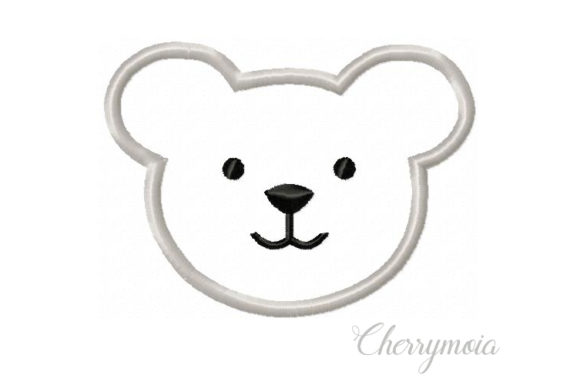
The immediate appeal of the Applique Bear lies in its classic silhouette. It avoids the overly complex detailing that often plagues modern digitizing, opting instead for a clean, recognizable shape that screams "comfort." The mood is undeniably nostalgic, fitting perfectly into the Teddy Bears category without feeling dated. For an embroidery project intended for nursery decor or children's apparel, this visual personality is spot on.
From a technical standpoint, the layout suggests a strong reliance on appliqué techniques. This is crucial because appliqué changes the texture of the final piece. Unlike a standard fill stitch that sits on top of the fabric, this design invites the user to layer fabrics, adding depth and a premium feel to what might otherwise be a simple handmade product. The spacing between elements appears generous, which is a good sign for reducing thread breaks and ensuring that small details don't get lost in dense stitching.
Real-World Application: Where This Design Shines
I immediately envisioned this design on a heavy-weight cotton tote bag. The structure of a tote provides the stability needed for the tack-down stitches required in an applique design. Imagine a natural canvas bag with a contrasting corduroy or felt bear stitched onto the front; the texture contrast would elevate a basic $5 bag into a $25 boutique item. This is exactly the kind of value-add a smart Etsy seller looks for.
Beyond bags, this file is a contender for sweatshirt embroidery. Hoodies and crewnecks have enough thickness to support the layers of an appliqué without puckering, provided the correct stabilizer is used. For baby embroidery, such as a bib or a onesie, the soft edges of an appliqué are far superior to dense satin stitches that can feel scratchy against sensitive skin. Parents appreciate items that look handmade but feel gentle, and this design bridges that gap effectively.
For those running a seasonal small shop product line, this bear is a chameleon. Add a Santa hat overlay in your editing software, and it becomes instant holiday embroidery. Keep it neutral, and it serves as a year-round staple for personalized gifts. The versatility extends to embroidered patch creation as well; if you trim the edges close and use a merrow border (if your machine supports it or if you finish by hand), this could become a collectible patch for jackets or backpacks.
Technical Considerations and Fabric Challenges
However, enthusiasm must be tempered with technical reality. While the Applique Bear is promising, there are specific scenarios where caution is required. If you are working with stretchy fabrics like jersey knits for t-shirts, the weight of the appliqué fabric combined with the stitching can cause distortion over time. In these cases, a cut-away stabilizer is non-negotiable, and you might need to test a smaller version first to ensure the garment doesn't pull awkwardly across the chest.
Curved surfaces present another hurdle. Placing this on a cap is possible, but the flat nature of the bear's design might struggle to conform to the steep curve of a structured hat without gapping or wrinkling. Similarly, very thin fabrics like silk or lightweight rayon are risky. The density of the tack-down stitches and the surrounding satin or running stitches could penetrate too aggressively, leaving visible holes or a stiff hand feel that ruins the drape of the material.
Dark fabrics require careful planning regarding thread colors. Since this is an appliqué, the fabric you choose for the bear itself becomes your primary color source. If you place a dark bear on a dark sweatshirt, you lose definition unless you utilize a bright or contrasting stitch outline. Always run a test on scrap fabric that matches your final material to check the contrast levels before committing to a client order.
Impact on Brand and Customer Perception
In the world of commercial embroidery, consistency is trust. Using a well-proportioned design like the Applique Bear signals professionalism. Sloppy, pixelated, or poorly spaced designs tell a customer that the maker cuts corners. Conversely, a crisp, well-executed appliqué suggests attention to detail and high-quality materials. This directly influences buyer engagement and allows you to command higher prices for your custom apparel or home goods.
Furthermore, the "handmade" aesthetic is currently a major selling point. Customers are willing to pay a premium for items that clearly aren't mass-produced in a factory. The slight variations inherent in cutting and placing appliqué fabrics add to the charm of a personalized gift, making each item feel unique even if the digital embroidery file is the same. This human touch is what builds brand loyalty and encourages repeat purchases.
Designer Notes for Successful Execution
Before you load this file into your machine, here is my checklist for ensuring success:
- Test First: Never skip the scrap fabric test. Verify how the stitch density interacts with your specific material.
- Stabilizer Selection: Match your stabilizer to the fabric weight. Water-soluble might work for towels, but heavy knits need cut-away support.
- Hoop Size Verification: Check the dimensions of the design against your available hoop sizes. Ensure the entire bear fits comfortably without needing to re-hoop mid-design, which can cause alignment issues.
- File Formats: As noted in the product details, this comes in multiple formats. Ensure you select the one native to your machine to avoid conversion errors that can alter stitch paths.
- Licensing Check: The description states this is a digital file for machines with multiple formats. Always confirm the specific license terms regarding commercial use. Can you sell the finished physical items? Can you resell the file? Clarity here protects your craft business from legal issues.
- Mockups: Create printable mockups or digital previews showing the bear on different background colors. This helps customers visualize the finished product and reduces hesitation at checkout.
Ultimately, the Applique Bear is a solid addition to a designer's library. It balances aesthetic charm with structural simplicity, making it a reliable choice for everything from tote bag design to heirloom blankets. By respecting the limitations of the fabric and preparing thoroughly, you can turn this digital asset into a tangible bestseller.