Reviewing Peacock Redwork for Boutique Apparel
As an embroidery designer who spends countless hours digitizing and testing designs for boutique collections, I am always on the lookout for motifs that balance visual impact with stitch efficiency. Recently, I explored the Peacock Redwork collection on Creative Fabrica, specifically evaluating its potential for a upcoming line of custom sweatshirts and hoodies. For small clothing brands and Etsy sellers, finding the right machine embroidery design is about more than just aesthetics; it is about production viability and brand consistency. This review breaks down how this specific Birds category asset performs in real-world apparel applications.
First Impressions: Visual Personality and Stitch Mood
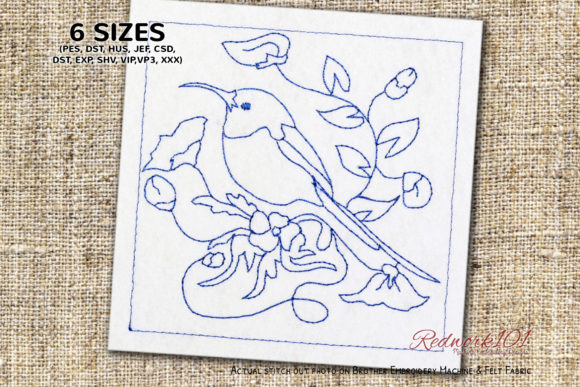
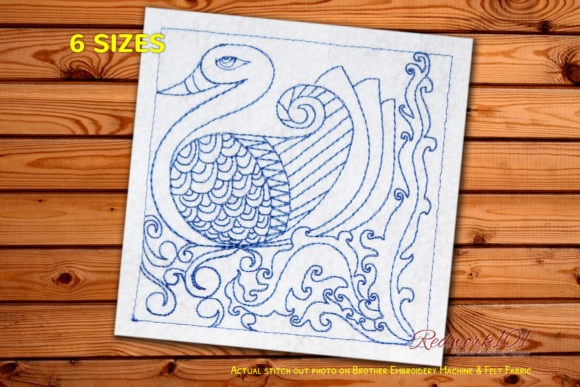
The immediate appeal of Peacock Redwork lies in its classic redwork style. Traditionally, redwork refers to embroidery done in a single color, often red, using simple running stitches or backstitches. This design captures that rustic, timeless charm while modernizing it for contemporary fashion. The visual personality is bold yet minimal. It does not rely on heavy fill stitches or complex shading, which makes it feel lightweight and airy on fabric.
For a boutique brand aiming for a "cozy chic" or "rustic elegance" vibe, this aesthetic is invaluable. The design feels premium because of its cleanliness. There is no thread bulk to weigh down delicate fabrics, nor is there excessive density that might cause puckering on stretchy materials. When I first loaded the embroidery file into my software, the simplicity stood out. It is not overly cute or childish; rather, it leans towards a sophisticated, artistic interpretation of nature. This makes it versatile enough for adult apparel, moving beyond typical craft projects into genuine fashion statements.
Performance on Sweatshirts and Hoodies
The primary test for any new design in my studio is how it translates to sweatshirt embroidery. Fleece and French terry fabrics present unique challenges due to their texture and stretch. Peacock Redwork excels here because of its open structure. Heavy satin columns or dense fills can sink into fleece, losing definition. However, the linear nature of this peacock motif sits beautifully on top of the fabric surface.
I envision this design working exceptionally well for hoodie chest placement. A centered or slightly offset left-chest position allows the intricate lines of the peacock feathers to be appreciated without overwhelming the garment. For oversized garments, which are currently trending, the design scales well. It provides a focal point without looking lost on larger canvas areas. If you are creating a small shop product line, consider offering this as a sleeve accent. The vertical flow of the peacock’s tail feathers aligns naturally with the arm, creating a elongating visual effect that customers love.
When working with dark apparel, such as charcoal or navy hoodies, the choice of thread colors becomes critical. While traditional redwork uses red, this design allows for creative freedom. A metallic gold or bright white thread on a black hoodie creates a striking contrast that elevates the perceived value of the finished product. Conversely, using a tonal thread on pastel hoodies offers a subtle, understated look that appeals to minimalist buyers.
Versatility Across Product Lines
Beyond sweatshirts, the utility of Peacock Redwork extends to various custom apparel items. For t-shirt embroidery, the low stitch count implied by the redwork style is a major advantage. It keeps the garment breathable and comfortable, avoiding the stiff "patch" feeling that heavy designs create. This is crucial for customer satisfaction and repeat business.
I also see strong potential for tote bag designs. Canvas bags benefit from bold, clear lines that do not get lost in the weave of the fabric. The peacock motif adds a touch of nature-inspired elegance to everyday carryalls, making them attractive for lifestyle product photos. For denim jackets, the design holds up well against the sturdy texture. The contrast between the rugged denim and the delicate embroidery lines creates a compelling visual tension that photographs beautifully for social media graphics and Etsy listings.
For those creating printable mockups, the clean lines of this digital embroidery file render sharply. This helps in presenting a professional image online before you even stitch a single thread. Consistent visual presentation builds buyer trust and reinforces your boutique brand identity.
Technical Considerations for Designers
While Peacock Redwork is user-friendly, there are technical nuances to address. The product description notes that "The Box Stitch shown in the picture is optional." This is a crucial detail for production. If you are aiming for a seamless, organic look, skipping the outer box is often the better choice, especially on curved surfaces like shoulders or sleeves. The box can sometimes frame the design too rigidly, whereas the free-standing peacock shape flows more naturally with the garment's drape.
Stabilizer choice is paramount. Even with a lighter design, fleece and knit fabrics require proper support. I recommend using a cut-away stabilizer for hoodies to ensure the design remains stable after repeated washing. For woven fabrics like denim or tote bags, a tear-away may suffice, but always test on scrap fabric first. Check the stitch density in your editing software. If the design feels too sparse on certain fabrics, you might adjust the underlay or add a light backing, though the redwork style generally requires minimal intervention.
It is also important to confirm the hoop size compatibility. Since specific dimensions are not detailed in the brief description, verify that the design fits within your standard hoop sizes, particularly if you plan to do multi-position designs or larger back prints. Always review the licensing terms on Creative Fabrica to ensure you are compliant when selling commercial embroidery products. Most files allow for finished product sales, but double-checking protects your business.
Enhancing Brand Value and Customer Engagement
Incorporating high-quality motifs like Peacock Redwork directly impacts your brand identity. It signals attention to detail and a curated aesthetic. Customers are increasingly drawn to handmade products that feel unique and artisanal. This design helps achieve that look without requiring hours of manual labor. It bridges the gap between mass-produced simplicity and high-end bespoke embroidery.
Visual consistency is key to building a recognizable brand. If your shop focuses on nature-inspired or vintage-style apparel, this Embroidery asset fits seamlessly into that narrative. It encourages customer engagement because it is visually interesting enough to stop the scroll on social media platforms. The intricate details of the peacock invite closer inspection, leading to longer view times and higher conversion rates.
Ultimately, Peacock Redwork is a strong contender for any designer looking to expand their handmade product offerings. It offers flexibility in placement, color, and fabric application. By understanding its strengths—minimal bulk, classic style, and versatility—you can leverage it to create standout pieces in your next collection. Whether for a cozy winter hoodie or a spring tote bag, this design delivers the professional polish that modern buyers expect.