Review: Turtle Crawling in the Jungle Redwork Design
As an embroidery designer who has spent years testing digital files for real-world application, I approach every new machine embroidery design with a critical eye. It is not just about how the image looks on a screen; it is about how it behaves under the needle, how it drapes on fabric, and ultimately, how it resonates with the person receiving the finished item. Recently, I loaded Turtle Crawling in the Jungle Redwork into my software to evaluate its potential for my personalized gift shop. This review breaks down why this specific piece of Embroidery art stands out in the crowded market of reptile-themed designs and how it can elevate your custom product offerings.
First Impressions: Charm and Simplicity
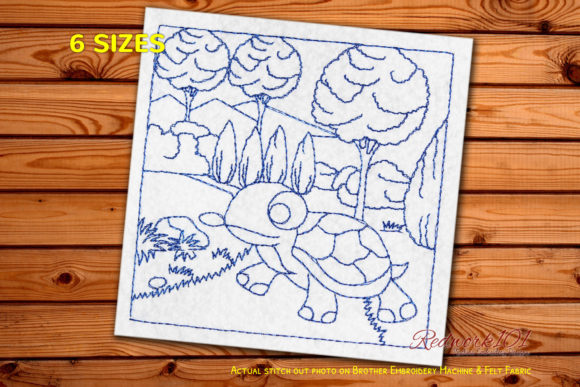
The immediate appeal of Turtle Crawling in the Jungle Redwork lies in its understated elegance. Redwork is a classic style that relies on single-color stitching to create high-contrast, graphic imagery. This design captures the slow, deliberate movement of a turtle with a whimsical touch. The mood is undeniably sweet and playful, yet it retains a classic feel that prevents it from looking too juvenile. For a designer, this balance is crucial. It means the design can appeal to a broad demographic, from parents looking for nursery decor to adults who appreciate nature-inspired handmade product aesthetics.
The detail level is appropriate for the style. It avoids excessive micro-stitching that can cause thread breaks or bird’s nests, focusing instead on clean lines that define the shell and limbs. The "jungle" element is suggested rather than overly detailed, allowing the turtle to remain the focal point. This simplicity is a strength, ensuring the design remains legible even when scaled down for smaller items.
Versatility Across Product Lines
One of the most significant advantages of this embroidery file is its versatility. In my test runs, I found that Turtle Crawling in the Jungle Redwork adapts beautifully to various substrates. For baby embroidery, this design is a standout choice. Imagine it stitched onto a soft muslin swaddle or a organic cotton onesie. The single-color thread reduces bulk, making it comfortable against sensitive skin. It serves as a gentle introduction to nature themes without being overwhelming.
Beyond baby items, this design shines in home decor. An embroidered towel featuring this turtle makes for a charming kitchen accent or a unique guest bathroom accessory. The redwork style pairs exceptionally well with linen or cotton towels, offering a rustic, farmhouse vibe that is currently trending among Etsy seller communities. Furthermore, consider its application on a tote bag. A canvas tote with this jungle motif becomes a functional piece of art, perfect for library visits or grocery runs, appealing to eco-conscious customers.
For those creating wedding gift options or family keepsakes, this design can be part of a larger narrative. While not traditionally romantic, it fits perfectly into a "growth" or "journey" theme, perhaps paired with personalized text for a new home or a first anniversary. The timeless nature of redwork ensures that the finished product will not look dated in five or ten years.
Navigating Fabric and Technical Challenges
While Turtle Crawling in the Jungle Redwork is robust, there are areas where caution is required. As with any custom embroidery project, fabric choice dictates success. When working with textured fabric, such as waffle-weave towels or heavy terrycloth, you must ensure your stabilizer choice is adequate. A cut-away stabilizer is often recommended for items that will undergo frequent washing, as it provides lasting support and prevents puckering.
Delicate details can sometimes get lost on thick towels. I advise running a test stitch on scrap fabric that matches the weight and texture of your final product. Check the small details after stitching to ensure the legs and head of the turtle are distinct. If the thread colors do not contrast sufficiently with the fabric, the design may appear muddy. For dark fabric, consider using a lighter thread color or adding a satin stitch border if the design allows, though pure redwork typically thrives on high contrast, such as red on white or cream.
Stretchy baby clothes present another challenge. Always use a hoop size that accommodates the garment without distorting the fabric. Hooping too tightly can cause the knit to warp, leading to misalignment. Additionally, be mindful of curved surfaces like pillow covers. Ensure the design is centered correctly, keeping in mind that the hoop size must allow for proper placement without hitting seams or zippers.
Enhancing Giftability and Perceived Value
From a business perspective, Turtle Crawling in the Jungle Redwork significantly enhances the perceived value of a personalized gift. Customers are drawn to items that feel thoughtful and unique. The handmade quality of embroidery conveys care and effort, fostering an emotional connection between the giver and the receiver. When photographed well, this design pops, increasing buyer engagement on social media and online marketplaces.
For small shop product lines, consistency is key. Using a cohesive style like redwork across different items—such as matching pillow covers and blankets—creates a collectible aesthetic. This encourages customers to purchase multiple items. The charm of the turtle invites conversation, making it an excellent icebreaker at craft fairs or in online listings.
Practical Notes for the Embroiderer
Before committing to a large batch of commercial embroidery orders, there are several practical steps you should take. First, always check the specific details of the digital embroidery file you purchase. The product description notes that the box stitch shown in preview pictures is optional and that the outer box color may differ. You can skip the color if it is not part of the core design, giving you flexibility in customization.
- Test on Scrap Fabric: Never skip this step. Verify tension and thread breakage risks.
- Check Thread Color Contrast: Ensure the single color stands out against your chosen fabric.
- Confirm Hoop Size: Make sure your machine’s hoop can accommodate the design dimensions comfortably.
- Review Stitch Density: Adjust density settings if stitching on delicate fabrics to prevent perforation.
- Use Proper Stabilizer: Match the stabilizer to the fabric weight and end-use (washable vs. decorative).
- Compare Mockups: Create printable mockups on both light and dark fabrics to visualize the final look.
- Verify Licensing: Confirm commercial licensing terms before selling finished products to ensure compliance.
In conclusion, Turtle Crawling in the Jungle Redwork is a delightful addition to any designer’s library. It bridges the gap between playful and classic, offering endless possibilities for Reptiles themed projects and beyond. By paying attention to fabric texture, stabilizer choice, and placement, you can create stunning, high-quality items that customers will cherish. Whether you are crafting a baby blanket, a wedding keepsake, or a simple kitchen towel, this design delivers the warmth and authenticity that define successful handmade goods.