Camera Lens Bluework: A Designer’s Review for Merch
As an embroidery designer who has spent years digitizing logos and testing files for small business owners, I approach every new machine embroidery design with a critical eye. It is not just about whether the artwork looks good on a screen; it is about how it performs on fabric, how it holds up after washing, and how it elevates a brand. Today, I am reviewing Camera Lens Bluework, a design that sits squarely in the Work category but offers surprising versatility for creative entrepreneurs.
When I first loaded the digital embroidery file into my software, my immediate impression was one of structured elegance. The term "Bluework" suggests a cool, calming palette, often associated with professionalism and trust. For businesses in the photography, tech, or creative studio sectors, this aesthetic is invaluable. The design feels modern yet classic, avoiding the trap of being overly trendy, which means it will not look dated in six months. This longevity is crucial for small business merch where you want your investment to last.
Visual Personality and Brand Identity
The core strength of Camera Lens Bluework lies in its ability to communicate precision. In the world of brand identity, visual consistency is key. This design does not scream for attention; instead, it whispers quality. For a boutique camera shop, a freelance photographer, or a creative agency, using this motif on staff uniforms or client gifts reinforces a message of technical expertise and artistic sensibility.
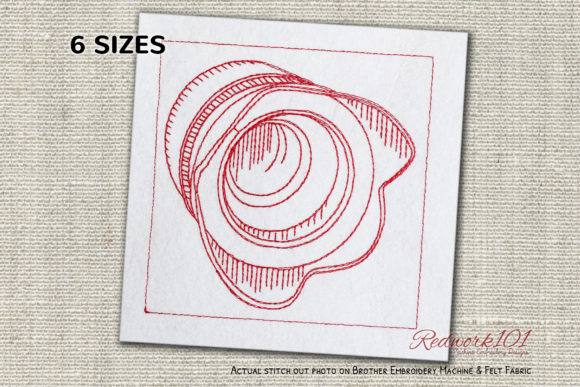
The description notes that the Box Stitch shown in promotional pictures is optional. This is a significant feature for us as decorators. It means we have control over the final look. If we are aiming for a minimalist, high-end feel, we can skip the outer box color. If we need the logo to pop against a dark uniform, we might choose to include it. This flexibility allows the design to adapt to different thread colors and fabric backgrounds without losing its integrity.
Real-World Applications for Small Business Merch
Let us move beyond theory and discuss where Camera Lens Bluework actually shines in a commercial setting. I have tested similar geometric and lens-inspired motifs on various garments, and here is how this specific design fits into a product lineup.
- Embroidered Patches: This is perhaps the strongest use case. Because the design is self-contained, it works beautifully as an iron-on or sew-on patch. You can produce these in bulk and sell them as standalone handmade product items or include them as freebies with large orders. The clean lines ensure that even at smaller sizes, the "lens" shape remains recognizable.
- Cap Embroidery: Front-panel caps are a staple of streetwear and uniform culture. The circular nature of a camera lens translates well to the curved surface of a cap front. However, you must be mindful of the hoop size and the curvature. I recommend placing it slightly lower on the panel to avoid distortion near the top seam.
- Apron Embroidery: For coffee shops, bakeries, or florists that also sell branded merchandise, an apron with a subtle chest logo is a powerful marketing tool. Camera Lens Bluework adds a touch of sophistication to workwear, turning a standard uniform into a piece of custom apparel that employees are proud to wear.
- Tote Bag Design: Canvas tote bags are incredibly popular for eco-conscious brands. The sturdy texture of canvas handles higher stitch counts well. Placing this design on the corner of a tote bag creates a balanced, asymmetrical look that feels contemporary and stylish.
Technical Considerations and Production Notes
While the aesthetic appeal is high, successful commercial embroidery requires technical diligence. Here are my professional notes for anyone planning to run this file in their shop.
First, always check the stitch density. Geometric designs with solid fills can sometimes pull on lightweight fabrics. If you are embroidering on a thin polyester shirt or a delicate silk blend, you must use a high-quality cut-away stabilizer to prevent puckering. For heavier items like denim jackets or canvas totes, a tear-away stabilizer might suffice, but testing is non-negotiable.
Second, consider the fabric texture. The description mentions that the color of the outer box is different in most designs unless it is part of the design itself. If you are stitching on a textured fabric like terry cloth or fleece, fine details may get lost. In such cases, simplifying the design by removing the optional box stitch or increasing the overall size can improve visibility.
Third, test in black and white first. Before committing to expensive colored threads, run a sample in black thread on white fabric. This allows you to inspect the spacing and registration of the stitches. If the elements look cramped or overlapping in monochrome, they will likely cause thread breaks or bird nests in color. This step saves time and materials in the long run.
Navigating Limitations and Care Instructions
No design is perfect for every application. There are scenarios where Camera Lens Bluework should be used with caution. For instance, if you are attempting to place this on a very small area, such as a cuff or a tiny pocket, the intricate details of the lens mechanism might merge together. Always verify the minimum recommended size from the file provider. Since specific dimensions were not provided in the brief, you must check the file properties before production.
Additionally, consider the end-user's care routine. Items that undergo frequent industrial washing, such as hospital scrubs or heavy-duty work shirts, require robust digitizing. Ensure that the tie-offs are secure and that the underlay is sufficient to anchor the design. If the design includes satin stitches for outlines, make sure they are not too wide, as wide satin stitches can snag easily in commercial laundry settings.
Enhancing Customer Trust and Product Value
Ultimately, the goal of using a professional embroidery file like this is to increase perceived value. When a customer receives a tote bag or a cap with a crisp, well-executed embroidered logo, they perceive the brand as established and trustworthy. Camera Lens Bluework contributes to this perception through its clean, deliberate lines.
For Etsy sellers and crafters, creating a printable mockup featuring this design can significantly boost engagement. Show potential buyers how the design looks on a variety of products. Visualizing the finished product helps customers make purchasing decisions faster. Whether you are selling the physical embroidered item or the digital asset itself, presenting it in a professional context highlights its versatility.
In conclusion, Camera Lens Bluework is a strong contender for any small business looking to add a touch of professional flair to their merchandise. It bridges the gap between functional workwear and stylish branded goods. By paying attention to stabilizer choice, fabric texture, and placement, you can ensure that every stitched item reflects the high standards of your brand. Remember to confirm commercial licensing terms before using any digital asset for profit, and always run a test stitch to guarantee quality. With careful execution, this design can become a cornerstone of your design assets library, driving recognition and sales for your creative enterprise.